
愛の病 (Ai no Yamai)
A tense, intimate aiko song about love as obsession, emotional illness, and the pain of attachment.
JLPT N3-N2
Quiet authority
Editorial lyric notes for learners of Japanese
A compact editorial library of Japanese song studies with context, grammar notes, glosses, and line-by-line translation.
This site is meant to be read in two ways.
You can browse by artist if you want a coherent branch of Japanese around one voice, one era, or one performance style. Or you can browse by song if you want to jump directly into a lyric page and study line by line.
Each song page is built as a learner edition rather than a plain translation. Where available, pages include Japanese text, romaji, compact glossing, English translation, and notes on imagery, grammar, tone, and usage.
The library is now made up of complete line-by-line learner editions.
Latest
A tense, intimate aiko song about love as obsession, emotional illness, and the pain of attachment.
JLPT N3-N2

A bright, memorable aiko song that mixes ordinary romantic language with intense attachment, vivid imagery, and her characteristic emotional immediacy.
JLPT N4-N2

An iconic AKB48 idol-pop hit built on repetition, desire, exuberance, and the language of obsession and replay.
JLPT N4-N3

A sharp ANGERME song about envy, wounded pride, delayed success, and the specifically Japanese emotional sting carried by `kuyashii`.
JLPT N3-N2

An ANGERME song that turns `beki` wordplay into a bright social affirmation, useful for learners studying hook language, evaluative wording, and slogan-like pop Japanese.
JLPT N3-N2
An ANGERME song about gossip, self-presentation, and unapologetic self-liking, useful for learners studying evaluative slang, image language, and catchy colloquial phrasing.
JLPT N3-N2

A forceful ANGERME song that mixes hunt imagery, romance language, and bold colloquial expressions, making it useful for learners studying register, slogan-like hooks, and aggressive self-presentation.
JLPT N3-N2

A catchy, slightly twisted ano song that plays with service-work language, commercial cheerfulness, and a refusal to give away a smile on demand.
JLPT N4-N2

A striking ATARASHII GAKKO! song that combines adulthood, coolness, awkwardness, and theatrical self-presentation in a memorable hook-driven format.
JLPT N4-N2

A ferocious HANABIE. song that turns the polite phrase `excuse me, I’m leaving first` into a rebellious escape line against pressure, exhaustion, and social performance.
JLPT N3-N2

A vivid, defiant pop song about fashion, self-expression, cuteness, strangeness, and freedom from narrow rules.
JLPT N3-N2

A Kyary Pamyu Pamyu song that celebrates Harajuku through playful exclamation, fashion geography, and a highly stylized pop register built around the strange hook `iyahoi`.
JLPT N3-N2

A sharp Kyary Pamyu Pamyu song built on labels, persona, and the tension between social judgment and self-styled visibility.
JLPT N3-N2

A Kyary Pamyu Pamyu song that turns `furisode` and `hatachi` into bright pop hooks about ceremony, identity, and stepping into adulthood.
JLPT N4-N2

A classic song of quiet sadness, resilience, and trying to keep tears from falling by looking upward and walking on.
JLPT N4-N3

A poised, melancholy city-pop song about emotional distance, performance, heartbreak, and trying to survive love by staying artificial.
JLPT N3-N2

A landmark Miki Matsubara city-pop song about late-night parting, memory, and asking someone to stay through a polished urban melancholy.
JLPT N3-N2

A flashy Morning Musume dance-pop track built on nightlife language, weekend momentum, and the unstable glamour implied by `utakata`.
JLPT N3-N1

A reflective Morning Musume song about breakup, memory, and small shared routines, useful for learners studying plain emotional Japanese and repeated memory framing.
JLPT N4-N2

A sweeping Morning Musume '14 song that pairs large cosmic imagery with readable Japanese, useful for learners studying title readings, aspiration language, and elevated but direct pop phrasing.
JLPT N3-N2

A dramatic Morning Musume song that combines direct heartbreak language with stylish twilight framing, useful for learners studying repetition, breakup wording, and mood-heavy pop diction.
JLPT N3-N2
A cool-toned Morning Musume song built around repetition, mood language, and emotional pressure, useful for learners studying stance, insistence, and modern pop register.
JLPT N3-N2

A dramatic Morning Musume song about apology, repetition, and romance as a patterned exchange, useful for learners studying relationship verbs, fixed expressions, and stylized pop phrasing.
JLPT N3-N2

A Morning Musume breakup song built around the colloquial phrase `naichau kamo`, useful for learners studying contraction, uncertainty, and emotionally direct spoken Japanese.
JLPT N4-N2

A dramatic 2013 Morning Musume single built around pleading hooks, impatience, jealousy, and the clash between passive waiting and self-assertion.
JLPT N4-N2
A bright, flirtatious Seiko Matsuda hit that mixes teasing romance, polished pop language, and a confident springtime love-song glow.
JLPT N4-N3
A classic Ghibli theme song built from playful repetition, childlike invitation, and the cultural weight of one of Japan’s best-known animated worlds.
JLPT N5-N3
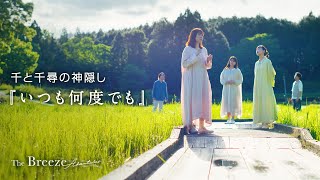
A calm and widely loved Ghibli ballad that uses repetition, reflective imagery, and gentle poetic phrasing to create emotional depth.
JLPT N4-N2

A bright W duet built on classic romance imagery and retro loanword style, useful for learners studying older pop diction and image-led love-song language.
JLPT N4-N3

A tense, morally conflicted song about strength, instinct, identity, and protecting someone precious.
JLPT N2-N3

A bright, driven song about art, self-belief, and pushing forward despite uncertainty.
JLPT N2-N3

A dramatic, performance-centered song about roles, struggle, and stepping onto an exposed stage.
JLPT N2-N1

A sharp, high-velocity song about performance, image, charisma, and the unstable boundary between persona and self.
JLPT N2-N1
A warm, forward-looking song about movement, connection, and shared hope, with imagery of flight and young voices.
JLPT N3-N2

A reflective, parallel-world song about identity, mismatch, and the fierce urgency of trying to save another self.
JLPT N2-N1

A reflective YOASOBI song about what remains after a heroic journey, told through memory language, literary phrasing, and quiet repetition.
JLPT N2-N1

An energetic YOASOBI song about meeting up and stepping out of routine, built from invitation language, motion verbs, and bright repeated hooks.
JLPT N3-N2

A warm, direct song addressed to music itself, full of gratitude, vulnerability, and the feeling of being carried by sound.
JLPT N3-N2

A defining YOASOBI song built on night imagery, plain but tense phrasing, and rapid shifts between closeness and instability.
JLPT N2-N1

A sea-bound YOASOBI song built from transit imagery, literary phrasing, and quiet but severe wording about drift, impulse, and survival.
JLPT N2-N1

A direct but potentially nuanced song about liking, attachment, confession, and the difficulty of saying feelings plainly.
JLPT N3-N2
Artists
Emotionally direct pop with conversational Japanese, vivid everyday imagery, and a strong blend of tenderness, fixation, bodily closeness, and self-exposure.
Big, bright idol pop with catchy repetition, direct emotional phrasing, and lyrics that balance flirtation, self-display, chant-like hooks, and everyday youthfulness.
Sharp-edged idol-group pop with defiance, emotional directness, and lyrics that lean into frustration, self-assertion, social labels, and theatrical attitude.
Off-kilter pop with cute surfaces, sharp mood swings, and lyrics that can flip quickly between childlike phrasing, commercial-script irony, alienation, and emotional bite.
High-voltage pop performance with sharp choreography energy, school-uniform iconography, and lyrics that blend attitude, irony, adulthood-performance, and youth-coded rebellion.
Hyperactive metalcore and Harajuku-inflected loudness, mixing slangy everyday Japanese with irony, frustration, workplace sarcasm, and abrupt shifts between cute and ferocious tone.
Harajuku-centered pop with surreal visuals, playful language, and a strong blend of cuteness, fashion, place-identity, and unease.
Classic Japanese pop with clean melody, emotional restraint, and lyrics that often carry quiet sadness, resilience, and image-based feeling beneath their simplicity.
Elegant city pop with conversational Japanese, emotional distance, and polished melodies that often hide loneliness, self-protection, or adult disillusionment.
Elegant late-1970s and 1980s city pop with mature vocals, urban melancholy, and a balance of direct romantic language, restraint, and polished sophistication.
A central idol-group lineage in J-pop, with songs ranging from bright hooks and ensemble energy to reflective early-2000s balladry, cool late-2000s mood pieces, and sharper 2010s hook-driven pop.
Classic 1980s idol pop with sparkling hooks, playful flirtation, polished diction, and lyrics that balance sweetness, stylish attitude, and tightly crafted pop persona.
Gentle, reflective Japanese associated with Studio Ghibli, with calm repetition, soft emotional tone, child-facing clarity, and memorable poetic phrasing.
Playful early-2000s idol pop with bright duet energy, retro references, and lyrics that feel light on the surface while carrying stylized romance, glamorous loanwords, and performance charm.
Narrative-driven pop by Ayase and ikura, with dense modern Japanese, strong literary framing, and unusually rich line-by-line learner value.