Learner edition
ファッションモンスター Fashion Monster
A full learner edition with context, grammar notes, and complete line-by-line analysis.
- Artist
- Kyary Pamyu Pamyu
- Level
- JLPT N3-N2
- Source
- Quarto draft
Piece and context
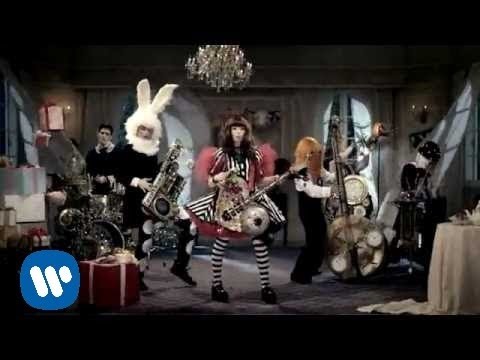
Fashion Monster is one of Kyary Pamyu Pamyu’s defining songs, and it is a strong learner page because the Japanese stays fairly accessible while the register stays highly stylized. Much of the effect comes from repetition, quoted judgment, and fashion vocabulary used as self-labeling.
For learners, the useful part is not difficult syntax but how simple grammar carries social judgment, refusal, and self-presentation.
Learner notes
Style and register
Fashion Monster uses very short lines, heavy repetition, and a pop-performance register. The Japanese often sounds cute or brand-like on the surface, but much of the wording is about rejecting imposed labels and rules.
- quoted judgment
- repeated self-labeling
- refusal and self-assertion
- fashion diction used as persona language
Important grammar patterns
- 〜って (-tte): colloquial quoting or topic-marking, as in おもしろいって
- 〜なんて (nante): emphatic “such a thing as…” or “the fact that…,” often with judgement, as in いえないなんて
- 〜たくはない (-taku wa nai): emphatic negative desire, as in しばられたくはない
- 〜たい (-tai): want to…, as in いたい and なりたい
Vocabulary and reference notes
- しばる / しばられる (shibaru / shibarareru): to bind; literal wording used for social restriction
- 檻 (ori): cage, pen, enclosure
- こわす (kowasu): to break, smash
- わがまま (wagamama): selfish, headstrong, wilful; often negative, but here reclaimed
- ドキドキ (dokidoki): heartbeat / pounding excitement
Text
Intro Chant
1
ファッションモンスター
Fasshon monsutaa
fashion monster
Fashion monster.
The title phrase works more like a self-label or chant than like an ordinary sentence.
2
ファッションモンスター
Fasshon monsutaa
fashion monster
Fashion monster.
Repeating the same katakana phrase makes it feel slogan-like.
3
ファッションモンスター
Fasshon monsutaa
fashion monster
Fashion monster.
Katakana makes the phrase feel imported, stylized, and brand-like rather than ordinary descriptive Japanese.
4
ファッションモンスター
Fasshon monsutaa
fashion monster
Fashion monster.
By the fourth repetition, the hook is fully established before the lyrics start making claims around it.
Verse 1
5
おもしろいって いいたいのに
Omoshiroi tte iitai no ni
interesting QUOT say.want though
Even though I want to say, “That’s interesting”...
〜って marks the quoted content in casual speech. のに adds frustration: “even though...”
6
いえないなんて つまらないでしょ
Ienai nante tsumaranai desho
say-NEG such.as boring COP.PROB
...not being able to say it is boring, isn’t it?
なんて adds dismissive or emotional force. The line treats that silence as dull rather than safe.
7
おなじになって いい子でなんて
Onaji ni natte ii ko de nante
same DAT become-CVB good child COP such.as
Becoming the same as everyone else, being some “good girl”...
いい子 literally means “good child,” but it often means compliant or well-behaved more generally.
8
いたくないって キミもそうでしょ
Itaku nai tte kimi mo sou desho
exist.want-NEG QUOT you too so COP.PROB
...you don’t want to be that either, right?
いたい / いたくない here is “want to be / not want to be” from いる, not physical pain.
9
だれかの ルールに
Dareka no ruuru ni
someone GEN rule DAT
By someone else’s rules...
だれかの makes the rules sound external and arbitrary, not self-chosen.
10
しばられたくはないの
Shibararetaku wa nai no
bind-PASS-DES TOP NEG EXPL
...I don’t want to be bound.
たくはない is stronger than a plain negative desire. の adds explanatory insistence.
11
わがまま ドキドキ
Wagamama dokidoki
wilful heartbeat
Self-willed, heart pounding.
わがまま is often criticism, but here it is being used more positively.
12
このままでいたい
Kono mama de itai
this way as exist.want
I want to stay just like this.
このまま means “as things are / like this,” so the line resists correction or reshaping.
Chorus 1
13
ファッションモンスター
Fasshon monsutaa
fashion monster
Fashion monster.
After the complaint about conformity, the title phrase sounds more like chosen self-description.
14
ファッションモンスター
Fasshon monsutaa
fashion monster
Fashion monster.
The repetition reinforces the persona instead of adding new information.
15
このせまいこころの檻も
Kono semai kokoro no ori mo
this narrow heart GEN cage even
Even this narrow cage of the heart...
檻 is a literal cage, so this is stronger than a vague “barrier.”
16
こわして自由になりたいの
Kowashite jiyuu ni naritai no
break-CVB free DAT become.want EXPL
...I want to break it and become free.
こわして is active and forceful: break, not just avoid. 自由になりたい states the goal directly.
Refrain / Bridge
17
ファッションモンスター
Fasshon monsutaa
fashion monster
Fashion monster.
The refrain resumes immediately after the freedom line, linking self-naming to refusal.
18
ファッションモンスター
Fasshon monsutaa
fashion monster
Fashion monster.
This block works more like a chant than like narrative progression.
19
ファッションモンスター
Fasshon monsutaa
fashion monster
Fashion monster.
Because the same phrase keeps returning, it works as repeated self-description.
20
ファッションモンスター
Fasshon monsutaa
fashion monster
Fashion monster.
The excess is part of the register: title repetition, fashion diction, and performance-style insistence.
21
感覚をとぎすまして キミのように
Kankaku o togisumashite kimi no you ni
senses ACC sharpen-CVB you GEN like
Sharpening my senses, like you.
とぎすます means to sharpen or refine, often of the senses.
22
すいこまれてく 螺旋模様みたいに I wanna be free...
Suikomareteku rasen moyou mitai ni I wanna be free...
be.drawn.in-PROG spiral pattern like ADV I wanna be free
Being drawn inward, like a spiral pattern, I wanna be free...
すいこまれてく combines being drawn in with ongoing motion. The English phrase fits the song’s already hybrid register.
Verse 2
23
ファッションモンスター
Fasshon monsutaa
fashion monster
Fashion monster.
This single-line return resets the hook before the second verse.
24
ただふつうに 生きたいのに
Tada futsuu ni ikitai no ni
just ordinarily ADV live.want though
Even though I just want to live normally...
ただ adds plain simplicity: “just.”
25
へんなことって つまらないでしょ
Henna koto tte tsumaranai desho
strange thing QUOT boring COP.PROB
Calling that “strange” is boring, isn’t it?
って makes the judgment sound quoted and casual, which helps frame it as other people’s labeling language.
26
きめつけないで いい子でなんて
Kimetsukenaide ii ko de nante
decide.fixed-NEG.CVB good child COP such.as
Don’t box me in, saying I should be some “good girl”...
きめつける means deciding unilaterally or stereotyping: fixing one interpretation from the outside.
27
いたくないって キミもそうでしょ
Itaku nai tte kimi mo sou desho
exist.want-NEG QUOT you too so COP.PROB
...you don’t want to be that either, right?
The repeated line keeps pulling the listener into the same refusal.
28
だれかの ルールに
Dareka no ruuru ni
someone GEN rule DAT
By someone else’s rules...
The complaint is repeated very closely, which suits the song’s slogan-like structure.
29
しばられたくはないの
Shibararetaku wa nai no
bind-PASS-DES TOP NEG EXPL
...I don’t want to be bound.
The line lands firmly again; its plainness is part of its force.
30
わがまま ドキドキ
Wagamama dokidoki
wilful heartbeat
Self-willed, heart pounding.
Returning to the same two words makes them read like a slogan.
31
このままでいたい
Kono mama de itai
this way as exist.want
I want to stay just like this.
The line keeps the focus on preserving the present self rather than reforming it for others.
Chorus 2
32
ファッションモンスター
Fasshon monsutaa
fashion monster
Fashion monster.
The refrain returns again before a new restraint image appears.
33
鉄の首飾りをはずして ただ自由にいきたいだけ
Tetsu no kubikazari o hazushite tada jiyuu ni ikitai dake
iron GEN necklace ACC remove-CVB just freely live.want only
Taking off the iron necklace, I just want to live freely.
首飾り normally means a decorative necklace, but 鉄の makes it heavy and restrictive.
Final Chorus / Outro
34
ファッションモンスター
Fasshon monsutaa
fashion monster
Fashion monster.
The title phrase returns again after the iron-necklace image, reasserting the persona.
35
ファッションモンスター
Fasshon monsutaa
fashion monster
Fashion monster.
At this point the refrain feels less like naming and more like inhabiting the label.
36
このせまいこころの檻も
Kono semai kokoro no ori mo
this narrow heart GEN cage even
Even this narrow cage of the heart...
The repeated cage image links outer pressure with inward restriction.
37
こわして自由になりたいの
Kowashite jiyuu ni naritai no
break-CVB free DAT become.want EXPL
...I want to break it and become free.
Ending here keeps the wording simple and direct: break the cage and become free.
38
ファッションモンスター
Fasshon monsutaa
fashion monster
Fashion monster.
The final title return works like a repeated self-label.
About the glosses
The glosses are compact and learner-oriented rather than fully technical. The romaji line is segmented for readability and the glosses aim to make the structure of each line easy to scan.
Abbreviations:
TOPtopicGENgenitiveDATdativeNEGnegationDESdesiderativeQUOTquotationCOP.PROBprobably / isn’t itEXPLexplanatory tonePASSpassiveCVBconverbATTRattributive