Learner edition
ふりそでーしょん Furisodeshon
A complete learner edition with context, grammar notes, and full line-by-line analysis.
- Artist
- Kyary Pamyu Pamyu
- Level
- JLPT N4-N2
- Source
- Quarto draft
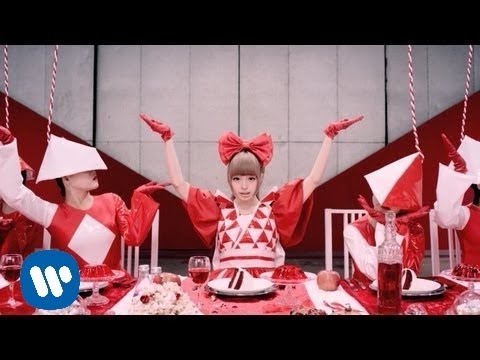
Piece and context
Furisodeshon is immediately useful to learners because the title itself is a coinage built from furisode. That makes the song a good page for ceremonial vocabulary, turning twenty, and pop-language built from a traditional cultural term.
The grammar is mostly accessible. Much of the learner value comes from the Coming of Age framing, the repeated はたち hook, and the way serious milestone language is turned into playful chant-writing.
Learner notes
Style and register
- bright pop language built around ceremony
- repeated chant-like hook phrasing
- culture-heavy vocabulary in accessible Japanese
- playful sound design around a serious milestone
Important grammar patterns
- 〜だけなの (-dake nano): is it only…, as in はたちだけなの?
- 〜って言える (-tte ieru): can say…, as in ありがとうって言えるね
- 〜たい (-tai): want to…, as in 夢見たい
- 〜ばかり (-bakari): nothing but…, as in 恋ばかりしてる
- 〜たら (-tara): if / when…, as in オトナになったら
- 〜できる (-dekiru): can do…
Vocabulary and reference notes
- はたち (hatachi): twenty years old; especially culturally important because of Coming of Age
- 振袖 (furisode): long-sleeved formal kimono associated with youth and ceremony
- ふりそでーしょん (furisodeshon): playful coined form built from furisode
- 記念日 (kinenbi): commemorative day / special anniversary
- わくわく (wakuwaku): excited anticipation
- the song is culturally tied to coming-of-age celebration, not just general “growing up”
Text
Main chant
1
はたち はたち はたち はたち / あたし あたし はたち ふりそでーしょん
Hatachi hatachi hatachi hatachi / Atashi atashi hatachi furisodeshon
twenty twenty twenty twenty / I I twenty Furisodeshon
Twenty, twenty, twenty, twenty / Me, me, twenty, furisodeshon
はたち is the native Japanese word for twenty years old, and it has strong Coming of Age associations.
2
はたち はたち はたちだけなの?
Hatachi hatachi hatachi dake nano?
twenty twenty twenty only Q
Twenty, twenty, is it only just being twenty?
〜だけなの? asks whether that is all it is: "is it only that?"
3
そうでしょ あたし はたち はたちの / ふりそでーしょん
Sou desho atashi hatachi hatachi no / Furisodeshon
that.isn't.it I twenty twenty GEN / Furisodeshon
Right? Me, twenty, twenty’s furisodeshon.
そうでしょ is a soft "right?" seeking agreement. This line is more hook than full sentence.
Thank-you / celebration verse
4
こんにちわ こんな記念日は
Konnichiwa konna kinenbi wa
hello such commemorative.day TOP
Hello, on a commemorative day like this...
記念日 means commemorative day or special anniversary.
5
心から ありがとうって言えるね
Kokoro kara arigatou tte ieru ne
heart from thank.you QUOT say-can FP
I can say “thank you” from the heart, you know.
〜って言える is a casual quoted "can say..." form. 心から means sincerely, from the heart.
6
いつもははずかしいけど / 一生に一度 大切な日
Itsumo wa hazukashii kedo / Isshou ni ichido taisetsu na hi
usually TOP embarrassing but / life in one.time important ATTR day
Usually it’s embarrassing, but this is an important once-in-a-lifetime day.
一生に一度 means once in a lifetime.
Bittersweet adulthood block
7
チョコレイトのにがいとこ / オトナなの?コドモなの?
Chokoreito no nigai toko / Otona na no? Kodomo na no?
chocolate GEN bitter part / adult Q child Q
The bitter part of chocolate. Is this adulthood? Is it childhood?
にがい literally means bitter. 〜なの? gives the questions a soft conversational tone.
8
いつまでも夢見たいから / このリズムに乗せて
Itsu made mo yumemitai kara / Kono rizumu ni nosete
forever dream.want because / this rhythm DAT put.on-CVB
Because I want to keep dreaming forever, set it to this rhythm.
夢見たい is a compact spoken-style "want to dream." 〜から gives the reason.
Gratitude verse
9
ありがとう みんなに会えて / いろいろなステキな体験をしたよ
Arigatou minna ni aete / Iroiro na suteki na taiken o shita yo
thank.you everyone DAT meet-POT-CVB / various ATTR lovely ATTR experiences ACC do-PST FP
Thank you, for being able to meet everyone; I’ve had all sorts of wonderful experiences.
会えて is the te-form of the potential "be able to meet." 体験 means experience in a lived sense.
10
今年も そして来年も / このわくわくをわすれないよ
Kotoshi mo soshite rainen mo / Kono wakuwaku o wasurenai yo
this.year also and next.year also / this excitement ACC forget-NEG FP
This year too, and next year too, I won’t forget this excitement.
わくわく is a common mimetic word for excited anticipation.
Cake / romance image
11
ショートケーキの中の / 甘酸っぱいやつみたいな
Shooto keeki no naka no / Amazuppai yatsu mitai na
shortcake GEN inside GEN / sweet.sour one like ATTR
Like that sweet-and-sour thing inside a shortcake...
甘酸っぱい means sweet-and-sour and is often also used for youthful romance. やつ is casual and vague: "that thing."
12
恋ばかりしてるキミに / キャンドルライトつける
Koi bakari shiteru kimi ni / Kyandoru raito tsukeru
love only do-PROG you DAT / candle light light
For you, who’s always falling in love, I light the candlelight.
〜ばかりしてる means doing nothing but that / always doing that.
Adulthood questions
13
オトナになったら うれしいの? / オトナになったら 悲しいの?
Otona ni nattara ureshii no? / Otona ni nattara kanashii no?
adult DAT become-if happy Q / adult DAT become-if sad Q
When you become an adult, is it happy? When you become an adult, is it sad?
〜になったら is a natural when/if one becomes... pattern.
14
なにするの? なにができるの? / いましかできないの?
Nani suru no? Nani ga dekiru no? / Ima shika dekinai no?
what do Q what NOM can.do Q / now only can.do-NEG Q
What do you do? What can you do? Is it something you can only do now?
〜しか ... ない means only / nothing but. いましかできない means can only do it now.
Final chant return
15
はたち はたち はたち はたち / あたし あたし はたち ふりそでーしょん / はたち はたち はたちだけなの? / そうでしょ あたし はたち はたちの / ふりそでーしょん
Hatachi hatachi hatachi hatachi / Atashi atashi hatachi furisodeshon / Hatachi hatachi hatachi dake nano? / Sou desho atashi hatachi hatachi no / Furisodeshon
twenty twenty twenty twenty / I I twenty Furisodeshon / twenty twenty twenty only Q / that.isn't.it I twenty twenty GEN / Furisodeshon
Twenty, twenty, twenty, twenty / Me, me, twenty, furisodeshon / Twenty, twenty, is it only just being twenty? / Right? Me, twenty, twenty’s furisodeshon.
The final return is mostly chant and naming. The cultural weight comes from はたち and 振袖, not from difficult grammar.