Learner edition
ヘビーローテーション Hebii Rooteeshon
A full learner edition with context, grammar notes, and complete line-by-line analysis.
- Artist
- AKB48
- Level
- JLPT N4-N3
- Source
- Quarto draft
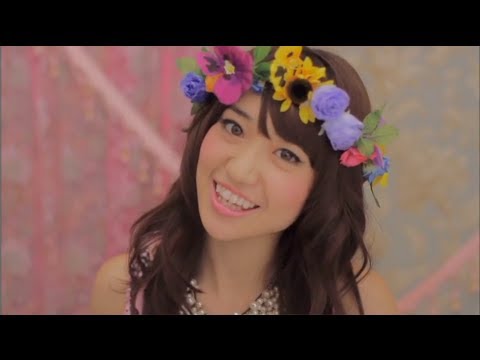
Piece and context
Heavy Rotation is one of AKB48’s signature songs. The title comes from radio and music-player language, where heavy rotation means a song being played over and over. In the lyric, that idea is reused for a feeling that keeps replaying in the speaker’s head.
For learners, it is useful because the Japanese is mostly straightforward, but the style is very pop-specific: lots of repetition, English hooks, sound-symbolic adverbs, and emotionally exaggerated phrasing.
Learner notes
Style and register
Heavy Rotation is direct, chant-like, and built around hooks. Many lines are grammatically simple. A lot of the effect comes from repeated English, repeated title phrases, and words like ガンガン and ドンドン that add noise and momentum.
- chant-like hook writing
- frequent English refrains
- lots of sound symbolism
- simple grammar with strong emphasis
Important grammar patterns
- 〜ように (-you ni): like…, as in 弾けるように
- 〜だけで (-dake de): just by…, merely by…, as in 想うだけで
- 〜ても〜ても (-te mo -te mo): even if…, no matter what…, as in 居ても立ってもいられない
- 〜って (-tte): colloquial quoting or explanatory framing, as in なれるって
Vocabulary and reference notes
- ヘビーローテーション (hebii rooteeshon): “heavy rotation,” repeated play in radio/music usage
- ガンガン / ドンドン / ジャンジャン: emphatic sound-symbolic adverbs that intensify the song’s momentum
- ハイテンション (hai tenshon): high excitement, high energy
- 文字が躍る (moji ga odoru): “the letters dance,” a vivid way to show how the word 好き takes over the mind
Text
Intro Hook
1
1! 2! 3! 4!
Wan! Tsuu! Surii! Foo!
count-off
One! Two! Three! Four!
A performance-style count-in. It immediately puts the song in stage or chant mode.
2
I want you! (I want you!)
I want you! (I want you!)
ENGLISH refrain
I want you! (I want you!)
The English makes the hook easy to chant. It sounds like something meant to be shouted back in performance.
3
I need you! (I need you!)
I need you! (I need you!)
ENGLISH refrain
I need you! (I need you!)
The sequence goes from want to need, so the feeling is being intensified in a very simple way.
4
I love you! (I love you!)
I love you! (I love you!)
ENGLISH refrain
I love you! (I love you!)
By the third line, the chant has become a fixed three-step pattern: want, need, love.
5
頭の中
Atama no naka
head GEN inside
Inside my head...
A very simple phrase, but it shifts the song from outward chanting to something happening inside the speaker's head.
6
ガンガン鳴ってるMUSIC
Gangan natteru myuujikku
pounding.sound sounding-PROG music
The music is pounding away.
ガンガン is a forceful sound-symbolic word for loud repeated impact or noise. It fits the idea of music pounding in the head.
7
ヘビーローテーション
Hebii rooteeshon
heavy rotation
Heavy rotation.
The title is left in katakana English, which makes it sound like a slogan or label rather than a reflective phrase.
Verse 1
8
ポップコーンが
Poppukoon ga
popcorn NOM
Like popcorn...
ポップコーン gives a playful everyday image before the comparison is explained.
9
弾けるように
Hajikeru you ni
burst-NPST like
...as if bursting open.
〜ように marks comparison here: "like popcorn bursting."
10
好きという文字が躍る
Suki to iu moji ga odoru
like QUOT say character NOM dance-NPST
The letters spelling “like” dance around.
という introduces the quoted word itself. The lyric is talking about the written word 好き, not just the feeling in the abstract.
11
顔や声を
Kao ya koe o
face and voice ACC
Your face and your voice...
や makes a loose list, so 顔 and 声 are examples rather than a complete list.
12
想うだけで
Omou dake de
think.of only by
...just by thinking of them...
だけで means "just by." Merely thinking is enough to trigger the reaction.
13
居ても立ってもいられない
Ite mo tatte mo irarenai
sit-even.if stand-even.if be.able-NEG
I cannot sit still or stand still.
居ても立ってもいられない is a set phrase for not being able to stay still because of excitement or agitation.
14
こんな気持ちになれるって
Konna kimochi ni nareru tte
such feeling DAT become.be.able QUOT
That I can feel this way...
って has a colloquial quoting or explanatory feel here. It helps the line sound spontaneous rather than formal.
15
僕はついているね
Boku wa tsuiteiru ne
I TOP lucky-PROG FP
I’m lucky, aren’t I.
ついている means "to be lucky." It is a common spoken expression.
Chorus 1
16
I want you! I need you! I love you!
I want you! I need you! I love you!
ENGLISH refrain
I want you! I need you! I love you!
The chorus reuses the same English hook instead of inventing new wording. Repetition is part of the song's concept.
17
君に会えて
Kimi ni aete
you DAT meet-CVB
Meeting you...
会えて carries the sense of "having been able to meet." It often sounds a little thankful or fortunate in this kind of line.
18
ドンドン近づくその距離に
Dondon chikazuku sono kyori ni
steadily close.in that distance DAT
As that distance keeps closing fast...
ドンドン suggests rapid continuous movement or increase. It adds forward momentum.
19
MAX ハイテンション
Makkusu hai tenshon
max high tension
Maximum high tension.
ハイテンション is a common pop-culture expression for being highly excited or wound up.
20
I want you! I need you! I love you!
I want you! I need you! I love you!
ENGLISH refrain
I want you! I need you! I love you!
The repeated English hook itself behaves like heavy rotation.
21
ハートの奥
Haato no oku
heart GEN depths
In the depths of my heart...
ハート keeps the register pop-like and stylized. A native Japanese word like 心 would feel plainer.
22
ジャンジャン溢れる愛しさは
Janjan afureru itoshisa wa
unceasingly overflow-NPST love.NMLZ TOP
This affection just keeps overflowing and overflowing...
愛しさ means affectionate feeling or tenderness. ジャンジャン makes it sound like something coming out in a constant stream.
23
ヘビーローテーション
Hebii rooteeshon
heavy rotation
Heavy rotation.
Here the title starts to work like the name of the feeling itself, not just a music-industry term.
Verse 2
24
人は誰も
Hito wa dare mo
person TOP everyone
Everyone...
人は誰も shifts briefly into a more general statement about people in general.
25
一生のうち
Isshou no uchi
lifetime GEN within
...in the course of a lifetime...
一生のうち means "in the course of a lifetime."
26
何回愛せるのだろう?
Nankai aiseru no darou?
how.many.times love-POT EXPL probably
...how many times can a person really love, I wonder?
〜のだろう gives the question a reflective "I wonder..." feeling.
27
たった一度
Tatta ichido
just one.time
Just once...
たった emphasizes small number: "just one."
28
忘れられない
Wasurerarenai
forget-PASS-POT-NEG
...unforgettable...
忘れられない is the usual way to say "cannot forget" or "unforgettable."
29
恋ができたら満足さ
Koi ga dekitara manzoku sa
love NOM happen-if satisfaction FP
...if I could have a love like that, I’d be satisfied.
恋ができたら means "if I could have a love / fall in love." さ adds a casual spoken tone.
30
そんなときめきを感じて
Sonna tokimeki o kanjite
such throbbing.excitement ACC feel-CVB
Feeling that kind of fluttering excitement...
ときめき is a common romance word for fluttering excitement or a quickened heart.
31
花は綻ぶのかな
Hana wa hokorobu no ka na
flower TOP open.up-NPST Q FP
...do flowers bloom open, I wonder?
綻ぶ is a softer and slightly more literary word for opening up or blooming.
Chorus 2
32
I feel you! (I feel you!)
I feel you! (I feel you!)
ENGLISH refrain
I feel you! (I feel you!)
The English trio changes here: instead of want/need/love, it moves to feel/touch/hold.
33
I touch you! (I touch you!)
I touch you! (I touch you!)
ENGLISH refrain
I touch you! (I touch you!)
The wording becomes more physical, but it is still framed as part of the hook rather than natural conversation.
34
I hold you! (I hold you!)
I hold you! (I hold you!)
ENGLISH refrain
I hold you! (I hold you!)
Again the line stays in English hook-language, which keeps it stylized and chantable.
35
夢の中で
Yume no naka de
dream GEN inside at
Inside my dreams...
夢の中で makes it explicit that this section is imagined.
36
ダンダン大きくなって行く
Dandan ookiku natte iku
gradually big ADV become-CVB go-NPST
...it keeps getting bigger and bigger.
〜て行く suggests something continuing to grow from here on.
37
僕のイマジネーション
Boku no imajineeshon
I GEN imagination
My imagination.
Using イマジネーション keeps the line in a pop-loanword register.
38
I feel you! I touch you! I hold you!
I feel you! I touch you! I hold you!
ENGLISH refrain
I feel you! I touch you! I hold you!
The full English sequence is repeated as one unit, like a chorus slogan.
39
この想いを
Kono omoi o
this feeling ACC
This feeling...
想い is more emotionally loaded than a neutral word for "thought."
40
ビンビン伝えて欲しいから
Binbin tsutaete hoshii kara
intensely convey-CVB want because
...because I want to send it to you intensely and directly.
ビンビン is another emphatic sound-symbolic word, suggesting something strongly and sharply felt.
41
ヘビーローテーション
Hebii rooteeshon
heavy rotation
Heavy rotation.
The title returns again as the song's main label for this repeated feeling.
Bridge
42
いつも聴いてた
Itsumo kiiteta
always listen-PST
The song I used to listen to all the time...
This line returns to the literal music-player meaning of heavy rotation.
43
favorite song
favorite song
ENGLISH phrase
My favorite song.
Another English phrase that keeps the register radio-friendly and pop-oriented.
44
あの曲のように
Ano kyoku no you ni
that song GEN like
Like that song...
〜のように marks a direct comparison to replayed music.
45
ずっと 繰り返して
Zutto kurikaeshite
continuously repeat-CVB
...repeating endlessly...
ずっと means continuously, all the time.
46
24時間
Nijuu-yojikkan
24 hours
24 hours a day...
24時間 is obvious exaggeration, but it fits the replay imagery.
47
君だけリクエスト中
Kimi dake rikuesuto-chuu
you only request-during
I’m requesting only you.
〜中 means "in the middle of / currently." 君だけ adds exclusivity: only you.
Final Chorus
48
I want you! I need you! I love you!
I want you! I need you! I love you!
ENGLISH refrain
I want you! I need you! I love you!
The final chorus returns to the original chant without much variation.
49
君に会えて ドンドン近づくその距離に
Kimi ni aete dondon chikazuku sono kyori ni
you DAT meet-CVB steadily close.in that distance DAT
Meeting you, with that distance closing faster and faster...
This compressed line reuses earlier chorus material in a faster-feeling form.
50
MAX ハイテンション
Makkusu hai tenshon
max high tension
Maximum high tension.
The same pop phrase returns unchanged, which is part of the song's hook structure.
51
I want you! I need you! I love you!
I want you! I need you! I love you!
ENGLISH refrain
I want you! I need you! I love you!
Again, the song relies on deliberate repetition instead of lyrical development.
52
ハートの奥 ジャンジャン溢れる愛しさは
Haato no oku janjan afureru itoshisa wa
heart GEN depths unceasingly overflow-NPST love.NMLZ TOP
Deep in my heart, this affection keeps overflowing and overflowing...
This line restates the core image in almost exactly the same wording.
53
ヘビーローテーション
Hebii rooteeshon
heavy rotation
Heavy rotation.
By this point the title clearly carries both the literal music meaning and the emotional one.
54
ヘビーローテーション
Hebii rooteeshon
heavy rotation
Heavy rotation.
The last repeated title acts out the idea of replay one more time.
About the glosses
The glosses are compact and learner-oriented rather than fully technical. The romaji line is segmented for readability and the glosses focus on making structure easy to scan.
Abbreviations:
ACCobjectCVBconverbDATdativeGENgenitiveNEGnegationNMLZnominalizerNOMsubjectPROGprogressiveTOPtopic