Learner edition
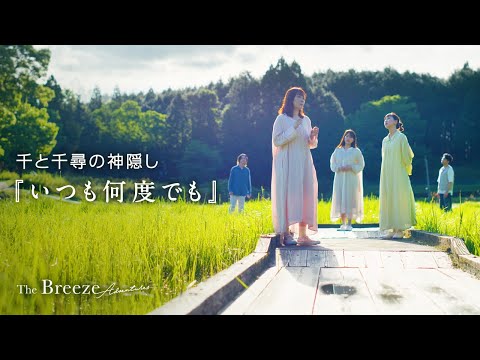
いつも何度でも Itsumo Nando Demo
A complete learner edition with context, grammar notes, and full line-by-line analysis.
- Artist
- The Breeze Adventures
- Level
- JLPT N4-N2
- Source
- Quarto draft
Piece and context
Itsumo Nando Demo is strongly associated with Spirited Away, so many learners already know it by sound before they look closely at the Japanese. The lyric is gentle and fairly readable, but it uses a lot of compact image-language rather than narrative explanation.
For this project, it is especially useful as a song about repetition, poetic but accessible phrasing, and abstract images expressed through simple grammar.
Learner notes
Style and register
- gentle reflective ballad language
- repeated phrasing and parallel structure
- poetic imagery in readable Japanese
- strong cultural value through Ghibli association
Important grammar patterns
- 〜ている (-te iru): ongoing state, as in 呼んでいる
- 〜たい (-tai): want to…, as in 夢を見たい
- 〜きれない (-kirenai): cannot fully / too many to…, as in 数えきれない
- 〜けれど (-keredo): but / although
- 〜たび (-tabi): each time…, as in そのたび
- 〜てゆく / 〜ていく (-te yuku / -te iku): move toward / continue into, as in 充たされてゆけ
Vocabulary and reference notes
- 何度でも (nando demo): any number of times; as many times as needed
- 胸のどこか奥 (mune no dokoka oku): somewhere deep in the heart / chest
- 数えきれない (kazoekirenai): too many to count fully
- 耳をすませる (mimi o sumaseru): to listen intently
- 海の彼方 (umi no kanata): beyond the sea; poetic distance language
- the song is culturally tied to Spirited Away, but the page should stay focused on the language itself
Text
Opening call
1
呼んでいる 胸のどこか奥で
Yonde iru mune no dokoka oku de
call-PROG chest GEN somewhere depth LOC
Something is calling from somewhere deep in my heart.
呼んでいる is an ongoing state. 胸のどこか奥 is a compact poetic phrase for somewhere deep inside the chest or heart.
2
いつも心踊る 夢を見たい
Itsumo kokoro odoru yume o mitai
always heart dance dream ACC see-want
I want to dream dreams that always make my heart dance.
心踊る literally means "the heart dances," a common poetic way to express excitement.
3
かなしみは 数えきれないけれど
Kanashimi wa kazoekirenai keredo
sorrow TOP count-finish-NEG but
Sorrows are too many to count, but...
数えきれない literally means not being able to finish counting.
4
その向こうできっと あなたに会える
Sono mukou de kitto anata ni aeru
that beyond LOC surely you DAT meet-POT
Beyond them, I’m sure I can meet you.
向こう means the other side or beyond. 会える is the potential form: can meet.
Repetition and learning
5
繰り返すあやまちの そのたび ひとは
Kurikaesu ayamachi no sono tabi hito wa
repeat mistake GEN that each.time person TOP
Each time people repeat their mistakes...
そのたび means each time that happens. ひとは makes the statement general rather than personal.
6
ただ青い空の 青さを知る
Tada aoi sora no aosa o shiru
simply blue sky GEN blueness ACC know
They simply come to know the blueness of the blue sky.
青さ turns 青い into the noun "blueness." The repetition of blue/ blueness is deliberate.
7
果てしなく 道は続いて見えるけれど
Hateshinaku michi wa tsuzuite mieru keredo
endlessly road TOP continue-CVB appear but
The road looks as if it goes on without end, but...
見える means looks or appears. 果てしなく means endlessly.
8
この両手は 光を抱ける
Kono ryoute wa hikari o dakeru
these both.hands TOP light ACC embrace-POT
These two hands can hold light.
両手 means both hands. 抱ける is the potential form: can hold or embrace.
Listening inward
9
さよならのときの 静かな胸
Sayonara no toki no shizuka na mune
farewell GEN time GEN quiet ATTR chest
The quiet heart at the time of goodbye.
This is a compressed noun phrase rather than a full sentence, which is common in song lyrics.
10
ゼロになるからだが 耳をすませる
Zero ni naru karada ga mimi o sumaseru
zero DAT become body NOM ears ACC make.clear
A body becoming zero listens intently.
耳をすませる means listening intently. ゼロになるからだ is more poetic than everyday speech.
11
生きている不思議 死んでいく不思議
Ikite iru fushigi shinde iku fushigi
live-PROG mystery die-CVB go mystery
The mystery of living, the mystery of dying.
不思議 means mystery or wonder. The line relies on parallel structure rather than difficult grammar.
12
花も風も街も みんなおなじ
Hana mo kaze mo machi mo minna onaji
flower also wind also town also all same
Flowers, wind, towns too, all are the same.
〜も means also/too, and the repeated も builds an inclusive list.
Vocal refrain
13
ララララララ ラー ララララ / ララララ ラララララ ララララ ラララララ
Rararararara raa rararara / Rararara rararara ra rararara rararara ra
vocables
La la la...
Non-lexical vocables like this carry melody and mood rather than lexical meaning.
14
ホホホホホホ ホホホホ ルルル / ルー ルルルルルル ルルルル ルルルル
Hohohohohoho hohohoho rururu / Ruu rurururururu rurururu rurururu
vocables
Ho ho ho... ru ru ru...
Another vocable refrain with no lexical meaning, only melody and sound texture.
Closing discovery
15
はじまりの朝の 静かな窓
Hajimari no asa no shizuka na mado
beginning GEN morning GEN quiet ATTR window
The quiet window of the morning of a beginning.
Again, this is a nominal image phrase. はじまりの朝 means the morning of a beginning.
16
ゼロになるからだ 充たされてゆけ
Zero ni naru karada mitasarete yuke
zero DAT become body fill-PASS-CVB go-IMP
Body becoming zero, go on being filled.
充たされてゆけ has a forward-moving feel: go on being filled. The form is slightly elevated.
17
海の彼方には もう探さない
Umi no kanata ni wa mou sagasanai
sea GEN beyond LOC TOP anymore search-NEG
I won’t search beyond the sea anymore.
彼方 is a poetic word for the far side or beyond. もう means no longer / anymore.
18
輝くものは いつもここに
Kagayaku mono wa itsumo koko ni
shine thing TOP always here LOC
The shining things have always been here.
もの is broad and unspecific here, more like "things" in a poetic sense.
19
わたしのなかに 見つけられたから
Watashi no naka ni mitsukerareta kara
I GEN inside LOC find-POT-PST because
Because I was able to find them within myself.
見つけられた is the potential past: was able to find. わたしのなかに makes the inward turn explicit.
20
ララララララ ラー ララララ / ララララ ラララララ ララララ ラララララ / ホホホホホホ ホホホホ ルルル / ルルルルルル ルルルルルル ルルルル ルルルル
Rararararara raa rararara / Rararara rararara ra rararara rararara ra / Hohohohohoho hohohoho rururu / Rurururururu rurururururu rurururu rurururu
vocables
La la la... ho ho ho... ru ru ru...
The closing returns to vocables instead of more explicit wording.