Learner edition
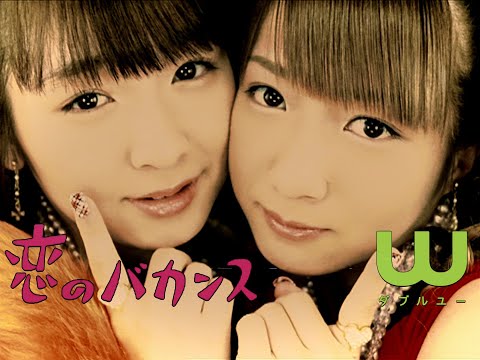
恋のバカンス Koi no Bakansu
A complete learner edition with context, grammar notes, and full line-by-line analysis.
- Artist
- W
- Level
- JLPT N4-N3
- Source
- Quarto draft
Piece and context
Koi no Vacance is useful for the site because it brings in classic pop-romance vocabulary through a catchy duet format. The title mixes 恋 with the loanword バカンス, giving the song an immediately legible but stylish retro-pop frame.
This version is especially interesting because W is covering a famous older song associated with The Peanuts. That means the page can help readers not only with language, but also with how later idol pop reuses classic kayokyoku material.
For learners, that is especially valuable because older pop language is often simpler on the page than modern songwriting, but can feel stylistically distant. This page shows how retro diction, romantic imagery, and imported glamour vocabulary still remain readable once the cultural frame is clear.
Learner notes
Style and register
Koi no Vacance uses bright, classic love-song Japanese with a lighter retro-pop atmosphere. That makes it useful for learners who want romantic vocabulary in a more traditional melodic setting.
- duet-format pop language
- classic romance phrasing
- accessible imagery
- loanword-based title framing
- useful for comparison between original and cover-era pop tone
- clearer and more image-based than many modern concept songs
- useful entry point into older kayokyoku-style love diction
Important grammar patterns
- 〜のような (-no you na): like…, as in ため息の出るような
- 〜ようよ (-you yo): let’s…, as in 恋をしようよ
- 〜た約束 (-ta yakusoku): a promise that was…, as in ささやいた約束
- 〜だけの (-dake no): only…, as in 二人だけの
- 〜ちゃう (-chau): colloquial contraction, as in 出ちゃう
Vocabulary and literary notes
- 恋 (koi): love, romantic longing
- バカンス (bakansu / vacance): vacation, a stylish loanword with a retro-pop feel
- 乙女ごころ (otome gokoro): a maiden’s heart; old-fashioned romantic diction
- 秘めごと (himegoto): a secret matter, often romantic or intimate
- バラ色 (barairo): rose-colored; rosy, idealized
- 人魚 (ningyo): mermaid
- useful for studying older pop-romance diction in a later cover version
- useful for showing how imported glamour vocabulary sits comfortably inside older Japanese pop
Text
Opening image
1
ため息の出るような / あなたのくちづけに / 甘い恋を夢見る 乙女ごころよ
Tameiki no deru you na / anata no kuchizuke ni / amai koi o yumemiru otome gokoro yo
sigh GEN come.out like ATTR / your kiss DAT / sweet love ACC dream.of maiden-heart FP
At your kiss, the kind that makes sighs come out, a maiden’s heart dreams of sweet love.
ため息の出るような means “the kind that makes you sigh.” 乙女ごころ is an older, romantic expression for a maiden’s heart.
2
金色に輝く 熱い砂の上で / 裸で恋をしようよ / 人魚のように
Kin'iro ni kagayaku atsui suna no ue de / hadaka de koi o shiyou yo / ningyo no you ni
gold.color DAT shine-PROG hot sand GEN above on / naked with love ACC do-VOL FP / mermaid GEN like
On hot sand shining gold, let’s fall in love bare and free, like mermaids.
〜しようよ is an inviting “let’s do it.” 人魚のように keeps the imagery idealized and decorative rather than realistic.
Main refrain
3
陽にやけた ほほよせて / ささやいた 約束は / 二人だけの 秘めごと / ためいきが 出ちゃう
Hi ni yaketa hoho yosete / sasayaita yakusoku wa / futari dake no himegoto / tameiki ga dechau
sun by tanned cheek bring.close-CVB / whispered promise TOP / two.people only GEN secret.matter / sigh NOM come.out-COMPL
With sun-tanned cheeks pressed close, the promise we whispered is a secret only for the two of us. A sigh slips out.
ほほよせて means bringing cheeks close together. 秘めごと sounds more romantic and secretive than an ordinary word like 秘密.
4
あゝ 恋のよろこびに / バラ色の月日よ / はじめて あなたを見た / 恋のバカンス
Aa koi no yorokobi ni / barairo no tsukihi yo / hajimete anata o mita / koi no bakansu
ah love GEN joy DAT / rose.colored GEN days FP / first.time you ACC saw / love GEN vacance
Ah, to the joy of love, these rose-colored days. The first time I saw you: that was the vacation of love.
バラ色 means rosy or rose-colored, often in an idealized sense. 月日 is a literary-feeling word for passing days and months.
5
陽にやけた ほほよせて / ささやいた 約束は / 二人だけの 秘めごと / ためいきが 出ちゃう / あゝ 恋のよろこびに / バラ色の月日よ / はじめて あなたを見た / 恋のバカンス
Repeat refrain
repeat refrain
The final section repeats the same sun, secret, sigh, and rosy-days imagery of the first refrain.
Because the lyrics are short and the refrain repeats almost exactly, the song works more through image and mood than through narrative development.