Learner edition
ラブレター Love Letter
A learner edition with context, grammar notes, glosses, and complete line-by-line commentary.
- Artist
- YOASOBI
- Level
- JLPT N3-N2
- Source
- Quarto draft
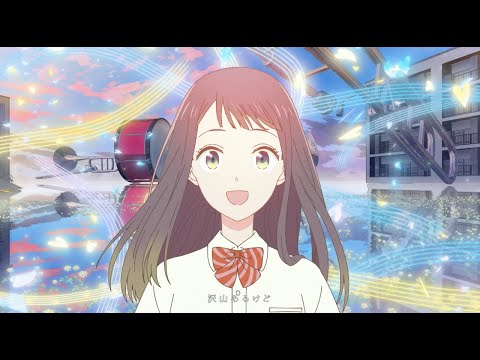
Piece and context
Love Letter is more openly addressed than many other YOASOBI songs. Rather than narrating a story at a distance, it speaks directly to music itself, treating music as a beloved presence that listens, answers, and sustains.
For learners, that makes it useful for studying address, gratitude, and emotionally transparent phrasing. The language is often softer and more direct than the darker, more narrative songs in the set, but it still carries rich emotional nuance.
Learner notes
Style and register
Love Letter is intimate, sincere, and gently lyrical. It uses plain modern Japanese, but the emotional framing gives ordinary expressions unusual warmth.
- direct address to music as a person-like presence
- affectionate and grateful wording
- emotional plain-style phrasing
- repeated sensory language around voice, sound, and touch
Important grammar patterns
- 〜てほしい (-te hoshii): want someone to do, as in 聞いてほしくって
- 〜ますように (-masu you ni): hoping or wishing that…, as in 届いてくれますように
- 〜だけで (-dake de): just by…, as in 聴いているだけで
- 〜ば / 気付けば (-ba / kizukeba): if/when one notices
- 〜ていい (-te ii): it is okay to…, as in 選んでいいんだ
Vocabulary and literary notes
- 照れ臭い (terekusai): embarrassing, bashful, awkward in an affectionate way
- 込める (komeru): to put feeling into; to pack into
- 湧く (waku): to well up, spring forth
- 色鮮やか (iro azayaka): vivid, brightly colored
- 響く (hibiku): to resound, echo, carry emotionally
Text
Opening
1
初めまして大好きな音楽へ
Hajimemashite daisuki na ongaku e
nice.to.meet.you beloved ATTR music toward
Nice to meet you, my beloved music.
Addressing 音楽 directly as if it were a person makes the opening sound like a letter or greeting.
2
ずっと考えてたこと
Zutto kangaeteta koto
all.along think-PROG.PST thing
Something I’ve been thinking about for a long time.
〜てた is the spoken contraction of 〜ていた, which keeps the tone natural and personal.
3
どうか聞いてほしくって
Douka kiite hoshikutte
somehow please hear-CVB want
I really want you to hear it.
どうか adds earnestness, almost “please, somehow.” 〜てほしい expresses wanting the listener to do something.
4
(伝えたいことがあるんです)
(Tsutaetai koto ga arundesu)
convey.want thing NOM exist EXPL
(There is something I want to tell you.)
あるんです has explanatory warmth. It sounds more intimate than a bare statement.
5
ちょっと照れ臭いけれど
Chotto terekusai keredo
a.bit embarrassing although
It’s a little embarrassing, but...
照れ臭い is not deep shame; it is affectionate self-consciousness.
6
ずっと想っていたこと
Zutto omotteita koto
all.along feel.think-PROG.PST thing
Something I’ve been feeling for a long time.
想う often feels more emotional than plain 思う, especially in lyrical contexts.
7
こんなお手紙に込めて
Konna otegami ni komete
such letter DAT put.feeling-CVB
I’ve put it into a letter like this.
込める means putting thought or feeling into something, not just physically inserting it.
8
Verse 1
(届いてくれますように)
(Todoitekuremasu you ni)
reach-give-POL so.that
(I hope it reaches you.)
〜ますように is a wish formula, common in prayers, hopes, and heartfelt messages.
9
どんな時もあなたの
Donna toki mo anata no
what.kind time even you GEN
At any time, your...
This is a suspended line that delays the reason given in the next line.
10
言葉、声を聴いているだけで
Kotoba, koe o kiiteiru dake de
words voice ACC listen-PROG only by
Just by listening to your words and voice...
だけで means “just by.” It highlights how little is needed for the result that follows.
11
力が湧いてくるんだ
Chikara ga waitekurunda
strength NOM well.up-CVB.come EXPL
...strength wells up inside me.
湧いてくる is physical and vivid: strength rises up from within.
12
ねえ
Nee
hey
Hey...
A soft attention-getter, intimate rather than dramatic.
13
笑っていたいよどんな時も
Waratteitai yo donna toki mo
smile-PROG.want FP what.kind time even
I want to keep smiling, no matter what time it is.
〜ていたい expresses the desire to remain in a state, not just do something once.
14
でも辛い暗い痛い日もある
Demo tsurai kurai itai hi mo aru
but painful dark hurting day even exist
But there are days that are painful, dark, and hurting.
The repetition of short adjectives makes the line sound childlike and direct.
15
けどね
Kedo ne
but FP
But you know...
A conversational pivot that keeps the tone soft and personal.
16
Chorus 1
あなたに触れるだけで気付けば
Anata ni fureru dake de kizukeba
you DAT touch only by notice-if
Just by touching you, before I realize it...
触れる is “to touch,” but it can also mean coming into contact with something less physical, like music or an idea.
17
この世界が色鮮やかになる
Kono sekai ga iro azayaka ni naru
this world NOM color.vivid DAT become
...this world becomes vividly colored.
色鮮やか is not just “colorful,” but vividly, freshly bright.
18
花が咲くように
Hana ga saku you ni
flower NOM bloom like
Like flowers blooming.
A simple simile. The comparison makes the brightening sound gradual and natural rather than abrupt.
19
笑って泣いてどんな時だって
Waratte naite donna toki datte
laugh-CVB cry-CVB what.kind time even
Laughing, crying, whatever time it may be...
The pair 笑って泣いて uses two very ordinary verbs to cover a wide emotional range.
20
選んでいいんだいつでも自由に
Erande iin da itsudemo jiyuu ni
choose-CVB good EXPL always freely
It’s okay to choose, always, freely.
〜ていいんだ gives permission and reassurance. It sounds almost like music speaking back.
21
今日はどんなあなたに出会えるかな
Kyou wa donna anata ni deaeru kana
today TOP what.kind you DAT meet-POT Q
I wonder what kind of you I’ll meet today.
出会える is potential: “be able to meet.” It keeps the relation to music fresh and living, not static.
22
この世界が終わるその日まで
Kono sekai ga owaru sono hi made
this world NOM end-NPST that day until
Until the very day this world ends...
The wording broadens the promise as far as it can go in spatial terms.
23
鳴り続けていて
Naritsuzuketeite
sound-continue-CVB.be
Please keep sounding.
鳴り続ける is to continue sounding or ringing out. Music is imagined as something ongoing and sustaining.
24
Verse 2
いつもあなたのことを求めちゃうんだ
Itsumo anata no koto o motomechaunda
always you GEN matter ACC seek-TEAU-EXPL
I always end up longing for you.
〜ちゃう is colloquial for 〜てしまう. It adds a feeling of inevitability: I just can’t help it.
25
(踊り出したくなる時も)
(Odoridashitaku naru toki mo)
dance-start-want become time even
(Even when it makes me want to start dancing.)
〜出す adds the sense of beginning suddenly. The body responds before thought does.
26
(爆発しちゃいそうな時も)
(Bakuhatsushichaisou na toki mo)
explode-TEAU-SEEM ATTR time even
(Even when I feel like I’m about to burst.)
〜そう here means “seems likely to,” and しちゃう keeps the line colloquial and emotional.
27
救われたんだ支えられてきたんだ
Sukuwaretanda sasaeraretekitanda
save-PASS-PST-EXPL support-PASS-CVB-come-PST-EXPL
I’ve been saved by you; I’ve been supported by you.
The pair of passives matters: music is not just enjoyed, but experienced as something that has acted upon and sustained the speaker.
28
(心が動かされるんです)
(Kokoro ga ugokasarerundesu)
heart NOM move-CAUS.PASS-EXPL
(It moves my heart.)
Literally, the heart is “made to move.” The passive-causative structure gives the feeling of being deeply affected.
29
(心が満たされていくんです)
(Kokoro ga mitasareteikundesu)
heart NOM fill-PASS-CVB-go-EXPL
(It gradually fills my heart.)
〜ていく shows an ongoing process. Fulfillment arrives gradually, not all at once.
30
ねえもっと触れていたいよ
Nee motto fureteitai yo
hey more touch-PROG.want FP
Hey, I want to keep touching you more.
Again 触れる can be read physically or more abstractly. The song keeps reusing that double usefulness.
31
ずっとそばにいてほしいよ
Zutto soba ni ite hoshii yo
always near LOC exist want FP
I want you to stay by my side always.
そばにいてほしい is very direct. It uses the standard 〜てほしい pattern without much softening.
32
いつまでも
Itsumademo
forever
Forever.
This short line extends the time scale beyond the immediate moment.
33
Chorus 2
大好きなあなたが
Daisuki na anata ga
beloved ATTR you NOM
You, whom I love so much...
Putting あなた here on its own gives it extra focus before the following wish.
34
響いていますように
Hibiiteimasu you ni
resound-PROG-POL so.that
May you keep resounding.
Another wish formula. The beloved addressee is not a person who stays beside the speaker physically, but music that continues to sound.
35
こんなたくさんの気持ち
Konna takusan no kimochi
such many GEN feelings
So many feelings like these...
This marks a return from refrain language to the act of writing the letter itself.
36
ぎゅっと詰め込んだ想い
Gyutto tsumekonda omoi
tightly cram-PST feelings
Feelings packed in tightly.
ぎゅっと is mimetic and tactile, suggesting compression, closeness, and intensity.
37
ちゃんと伝えられたかな
Chanto tsutaerareta kana
properly convey-POT-PST Q
I wonder if I conveyed them properly.
〜られた here is potential past: “was able to convey.” かな makes the doubt soft and inward.
38
ちょっとだけ不安だけど
Chotto dake fuan da kedo
a.bit only anxious COP but
I’m a little anxious, but...
The hesitation is small, but it matters because the whole page is built on sincere address.
39
きっと届いてくれたよね
Kitto todoitekureta yo ne
surely reach-give-PST FP FP
Surely it reached you, right?
よね seeks soft confirmation from the addressee, making the line feel conversational rather than purely declarative.
40
全部私の素直な言葉だから
Zenbu watashi no sunao na kotoba da kara
all I GEN honest ATTR words COP because
Because all of these are my honest words.
素直 means honest, straightforward, unguarded. It is a key word for the song’s sincerity.
41
もしもあなたに出会えてなかったらなんて
Moshimo anata ni deaetenakattara nante
if you DAT meet-POT-NEG-PST.if such.as
When I imagine what it would be like if I had never met you...
もしも plus conditional opens a hypothetical. The speaker imagines a world without music.
42
思うだけで怖いほど大好きなんだ
Omou dake de kowai hodo daisuki nanda
think only by frightening extent beloved EXPL
Just thinking about that is frightening; that’s how much I love you.
怖いほど means “to the extent that it’s frightening,” a strong way to describe emotional intensity.
43
受け取ってどうか私の想いを
Uketotte douka watashi no omoi o
receive-CVB somehow please I GEN feelings ACC
Please receive my feelings.
受け取って is direct but tender. It completes the letter motif very clearly.
44
Closing Section
さあ
Saa
come.on
Come now.
A small line, but it resets the song into motion and resolve after the vulnerable request.
45
笑って泣いてそんな毎日を
Waratte naite sonna mainichi o
laugh-CVB cry-CVB such everyday ACC
Those everyday days of laughing and crying...
The phrase gathers many ordinary feelings into one object of commitment.
46
歩いていくんだいつもいつまでも
Aruiteikunda itsumo itsumademo
walk-CVB-go EXPL always forever
...I’ll keep walking through them, always, forever.
歩いていく suggests continuing onward through time. It is steady rather than dramatic.
47
辛い暗い痛いことも沢山あるけど
Tsurai kurai itai koto mo takusan aru kedo
painful dark hurting things even many exist but
There are many painful, dark, hurting things too, but...
The wording does not deny suffering. Instead, it includes it within the broader statement being made.
48
この世界はいつでもどこでも音楽で溢れてる
Kono sekai wa itsu demo doko demo ongaku de afureteru
this world TOP whenever wherever music with overflow-PROG
This world is overflowing with music, always and everywhere.
溢れる means to overflow. Music is imagined as the medium saturating reality itself.
49
目の前のことも将来のことも
Me no mae no koto mo shourai no koto mo
before.eyes GEN things even future GEN things even
The things right in front of me, and the things in the future too...
The line covers both present and future anxiety in one compact phrase.
50
不安になってどうしたらいいの
Fuan ni natte dou shitara ii no
anxious DAT become-CVB how do-if good Q
I grow anxious and wonder what I should do.
どうしたらいい is a common everyday pattern, which makes the line feel immediate and human rather than literary.
51
分かんなくって迷うこともあるけど
Wakannakutte mayou koto mo aru kedo
understand-NEG-CVB be.lost things even exist but
There are times when I do not know and feel lost, but...
分かんなくって is a colloquial contraction of 分からなくて, keeping the voice young and natural.
52
そんな時もきっとあなたがいてくれれば
Sonna toki mo kitto anata ga itekurereba
such times even surely you NOM exist-give-if
Even at such times, if you are there for me...
いてくれれば uses くれる, which often adds the sense that someone’s presence is received as something valuable.
53
前を向けるんだ
Mae o mukerunda
forward ACC face-POT EXPL
...I can face forward.
前を向く is both literal and idiomatic: to face forward, to keep going with hope.
54
こんな気持ちになるのは
Konna kimochi ni naru no wa
such feelings DAT become NMLZ TOP
The reason I can feel like this...
This starts a final explanatory pair.
55
こんな想いができるのは
Konna omoi ga dekiru no wa
such feelings NOM be.possible NMLZ TOP
The reason I can hold feelings like these...
想い again carries richer emotional weight than a flat “thought.”
56
きっと音楽だけなんだ
Kitto ongaku dake nanda
surely music only EXPL
Surely, it’s only music.
The whole letter resolves into this claim: music alone can do this.
57
(変わりなんて一つもないんです)
(Kawari nante hitotsu mo naindesu)
substitute such.as one even exist-NEG-EXPL
(There is not a single substitute for it.)
一つもない is emphatic total negation: not even one.
58
どうか1000年先も
Douka sennen saki mo
please thousand.years ahead even
Please, even a thousand years from now...
The scope becomes mythically large, matching the depth of gratitude.
59
どうか鳴り止まないで
Douka nariyamanaide
please sound-stop-NEG
Please, do not ever stop sounding.
鳴り止まないで is a plea, not just a statement. The page ends in request, not conclusion.
60
いつも本当にありがとう
Itsumo hontou ni arigatou
always truly thank.you
Thank you, truly, always.
A plain final line, which suits the whole song: the deepest feeling is expressed most simply.
About the glosses
The glosses are learner-oriented and compact rather than fully technical. The romaji line is segmented to help both pronunciation and reading of the grammar.
Abbreviations:
TOPtopicNOMsubjectACCobjectDATdativeGENgenitivePSTpastNEGnegationATTRattributiveCVBconverbPROGprogressivePOLpoliteEXPLexplanatory