Learner edition
もんだいガール Mondai Girl
A complete learner edition with context, grammar notes, and full line-by-line analysis.
- Artist
- Kyary Pamyu Pamyu
- Level
- JLPT N3-N2
- Source
- Quarto draft
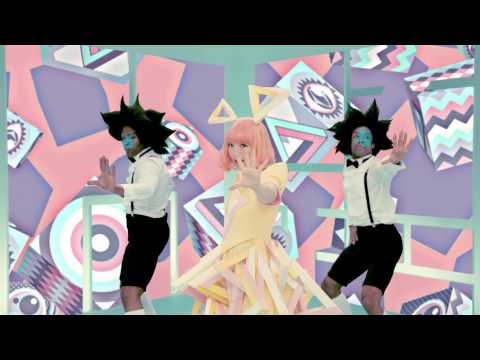
Piece and context
Mondai Girl is useful to learners because the title already centers a social label. 問題 can mean problem, issue, or trouble, so the song starts from language used to classify someone as difficult or improper.
Within the Kyary branch, it fits well beside Fashion Monster and Harajuku Iyahoi: another song where bright pop style carries sharper wording about identity and judgment.
Learner notes
Style and register
- catchy pop language built around labels and persona
- bright surface with sharper social wording underneath
- colloquial complaint mixed with slogan-like repetition
- useful for studying norm language and pushback
Important grammar patterns
- 〜というけど (-to iu kedo): they say…, but…
- 〜なんて (-nante): such a thing as…, often dismissive or emphatic
- 〜わけじゃない (-wake ja nai): it’s not that…
- 〜たくない (-takunai): don’t want to…
- 〜なんて … ないでしょ (-nante … nai desho): surely you can’t just…
- 〜てしまう (-te shimau): end up…, as in 壊れてしまう
Vocabulary and reference notes
- 問題 (mondai): problem / issue / troublesome matter
- 足をひっぱる (ashi o hipparu): literally “pull someone’s leg/foot”; idiomatically to drag someone down
- まとも (matomo): decent / proper / normal in a socially approved sense
- 退屈 (taikutsu): boredom
- 期待に添える (kitai ni soeru): to meet expectations
- おりこう (orikou): good / well-behaved / obedient in a child-facing or evaluative sense
Text
Social-label opening
1
だれかを責めるときには / 「みんなとちがう」というけど
Dareka o semeru toki ni wa / "Minna to chigau" to iu kedo
someone ACC blame time LOC TOP / everyone with differ QUOT say but
When people blame someone, they say “they’re different from everyone else,” but...
責める means blame or criticize. 〜というけど means they say..., but...
2
毎回「みんな」にあてはまる / そんなやつなんているのかよ
Maikai "minna" ni atehamaru / Sonna yatsu nante iru no ka yo
every.time everyone DAT fit / such person EMPH exist Q FP
But is there really anyone who fully fits “everyone” every single time?
あてはまる means fit or apply to. 〜なんて adds dismissive emphasis.
Pre-chorus
3
できないことへの憧れを / 造り変えてく勇気もなく
Dekinai koto e no akogare o / Tsukurikaeteku yuuki mo naku
cannot.do thing toward GEN longing ACC / remake-go courage even without
Without even the courage to reshape longing for what I can’t do...
憧れ means admiration or longing. 〜もなく means without even...
Main chorus
4
足をひっぱるのには夢中 / なんてもったいないやいやい
Ashi o hipparu no ni wa muchuu / Nante mottainai yaiyai
foot ACC pull NOM DAT.TOP absorbed / what.a.waste chant
Being obsessed with dragging people down, what a waste, yeah-yeah-yeah.
足をひっぱる is an idiom for dragging someone down. もったいない here means what a waste.
5
ただ恋をしてるだけなの / 機会みたいに生きてるわけじゃない
Tada koi o shiteru dake na no / Kikai mitai ni ikiteru wake ja nai
just love ACC do-PROG only COP Q / machine like ADV live-PROG reason COP NEG
I’m just falling in love, that’s all. It’s not like I’m living like some machine.
〜だけなの means it's just that... 〜わけじゃない rejects an interpretation: it's not that... The pasted text says 機会, but the meaning strongly points toward 機械.
6
あたし もんだいガール / 退屈したくないわいわ
Atashi mondai gaaru / Taikutsu shitakunai waiwa
I Mondai Girl / boredom do-want-NEG chant
Me, Mondai Girl. I don’t want to be bored, wai-wah.
退屈したくない is plain direct Japanese: not wanting to be bored. The chant ending is mostly rhythmic.
7
キミも もんだいがある / 普通になんてなれないでしょ
Kimi mo mondai ga aru / Futsuu ni nante narenai desho
you also problem NOM exist / normal DAT EMPH become-NEG likely
You’ve got issues too. You can’t just become “normal,” right?
普通になんて makes "becoming normal" sound dismissively unrealistic.
8
あたし もんだいガール? / まともがまともを求めるの?
Atashi mondai gaaru? / Matomo ga matomo o motomeru no?
I Mondai Girl / proper NOM proper ACC seek Q
Me, a Mondai Girl? Is “proper” just demanding more “proper”?
まとも means decent, proper, or normal in a socially approved sense. Repeating it makes the standard sound circular.
9
あたしは もんだいガール / もんだいガール もんだいガール
Atashi wa mondai gaaru / Mondai gaaru mondai gaaru
I TOP Mondai Girl / Mondai Girl Mondai Girl
As for me, I’m a Mondai Girl. Mondai Girl, Mondai Girl.
The repeated title label turns accusation into self-naming.
Second verse
10
キライなことで笑うより / ステキなことで泣きたいわ
Kirai na koto de warau yori / Suteki na koto de nakitai wa
hated ATTR thing with laugh rather.than / lovely ATTR thing with cry-want FP
Rather than laughing at things I hate, I want to cry over something wonderful.
〜より marks comparison: rather than... 〜たいわ adds desire with a soft sentence ending.
11
この世が壊れてしまうとき / 一緒にいられる人がいる
Kono yo ga kowarete shimau toki / Issho ni irareru hito ga iru
this world NOM break-CVB end.up time / together LOC be.able person NOM exist
When this world breaks apart, there is someone I can still be with.
壊れてしまう adds an uncontrollable end-up-broken nuance. いられる is the potential/stative form of being or staying.
Chorus variation
12
答えるただリクエストに / そんなおりこうになれない
Kotaeru tada rikuesuto ni / Sonna orikou ni narenai
answer merely request DAT / such well.behaved DAT become-NEG
I can’t become that kind of nice obedient girl who simply answers requests.
おりこう means well-behaved, obedient, or good in an approving tone. It can sound child-directed or patronizing.
13
じゃまするやつらにキラキラ / メイクアップしたいやいやい
Jama suru yatsura ni kirakira / Meikuappu shitai yaiyai
obstruct do guys DAT sparkle / make.up want chant
I want to glitter and put on makeup even against the people getting in the way.
じゃまする means obstruct or interfere. キラキラ and メイクアップ keep the wording visual and self-styling.
14
期待に添えない わがままでもない
Kitai ni soenai wagamama demo nai
expectations DAT align-NEG selfish even COP NEG
I may not meet expectations, but that doesn’t mean I’m selfish.
期待に添える means to meet expectations. でもない rejects the following label.
Final returns
15
ただ恋をしてるだけなの / 機会みたいに生きてるわけじゃない
Tada koi o shiteru dake na no / Kikai mitai ni ikiteru wake ja nai
just love ACC do-PROG only COP Q / machine like ADV live-PROG reason COP NEG
I’m just in love, that’s all. It’s not like I live like a machine.
The line returns as one of the song's main rebuttal phrases.
16
あたし もんだいガール / 退屈したくないわいわ / キミも もんだいがある
Atashi mondai gaaru / Taikutsu shitakunai waiwa / Kimi mo mondai ga aru
I Mondai Girl / boredom do-want-NEG chant / you also problem NOM exist
Me, Mondai Girl. I don’t want boredom. You’ve got issues too.
This repeated cluster keeps the song in label-and-response mode rather than narrative mode.
17
普通になんてなれないでしょ / あたし もんだいガール? / まともがまともを求めるの?
Futsuu ni nante narenai desho / Atashi mondai gaaru? / Matomo ga matomo o motomeru no?
normal DAT EMPH become-NEG likely / I Mondai Girl / proper NOM proper ACC seek Q
You can’t just become normal, right? Me, a Mondai Girl? Is “proper” just demanding more “proper”?
普通 and まとも are the key norm words in this section.
18
あたしは もんだいガール / もんだいガール もんだいガール / もんだいガール / もんだいガール もんだいガール
Atashi wa mondai gaaru / Mondai gaaru mondai gaaru / Mondai gaaru / Mondai gaaru mondai gaaru
I TOP Mondai Girl / Mondai Girl Mondai Girl / Mondai Girl / Mondai Girl Mondai Girl
As for me, I’m a Mondai Girl. Mondai Girl, Mondai Girl. Mondai Girl. Mondai Girl, Mondai Girl.
The ending is almost pure repeated naming, which makes the label itself the final hook.