Learner edition
女と男のララバイゲーム Onna to Otoko no Lullaby Game
A complete learner edition with context, grammar notes, and full line-by-line analysis.
- Artist
- Morning Musume
- Level
- JLPT N3-N2
- Source
- Quarto draft
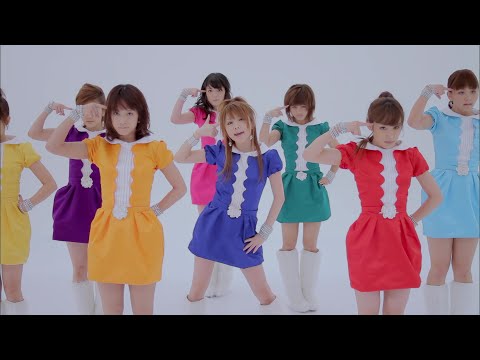
Piece and context
Onna to Otoko no Lullaby Game is useful for learners because it combines plain relationship verbs with a more stylized title. 女と男 sets up a broad woman/man frame, ララバイ adds soft night-time intimacy, and ゲーム suggests patterned interaction rather than spontaneous confession.
The lyrics support that title well. Much of the Japanese is direct and readable, but the song keeps presenting romance as repetition, ritual, bargaining, and return.
That makes the page useful for learners who want to study common verbs like 捕まえる, 抱きしめる, 疑う, 許す, and だます in a more mature pop setting. The song is not grammatically difficult, but it is full of relationship wording and evaluative phrases.
Learner notes
Style and register
Onna to Otoko no Lullaby Game uses a more mature and dramatic register than bright youth-pop tracks. That makes it useful for learners who want relationship language that is catchy but less naive.
- gendered contrast in phrasing
- romantic or strategic interaction language
- smoother, more mature pop tone
- useful for relationship stance and emotional framing
- more theatrical than straightforwardly confessional
- useful for studying pop language that frames intimacy as interaction or role-play
Important grammar patterns
- 〜て (-te): linked requests and commands, as in 抱きしめて
- 〜てあげる (-te ageru): do something for someone, as in 買ってあげる
- 〜てちょうだい (-te choudai): please do…, often feminine or direct, as in 買ってちょうだい
- 〜ちゃう (-chau): contracted 〜てしまう, as in 後悔しちゃう
- 〜か (-ka): choice framing, as in 帰るか 抱かれるか
Vocabulary and literary notes
- 女と男 (onna to otoko): woman and man
- ララバイ (rarabai): lullaby, carrying softness or night-time intimacy
- ゲーム (geemu): game, which may introduce strategy or emotional play
- 浮気 (uwaki): cheating, infidelity
- 口説く (kudoku): to woo, hit on, or seduce
- 末路 (matsuro): end, fate, eventual outcome
- 損得 (sontoku): loss and gain, practical advantage/disadvantage
Text
Opening demands
1
早く 捕まえて / もっとしっかり / 愛情込め 温めて / 早く 連れてって / もっと激しく / 夢語って 抱きしめて
Hayaku tsukamaete / motto shikkari / aijou kome atatamete / hayaku tsuretette / motto hageshiku / yume katatte dakishimete
quickly catch-CVB / more firmly / affection put.in warm-CVB / quickly take.away-CVB / more intensely / dreams tell-CVB embrace-CVB
Hurry and catch me. Hold on more firmly. Warm me with real affection. Hurry and take me away. More intensely. Talk about dreams and hold me tight.
This opening is built from linked `-te` forms, which makes it sound like a string of urgent requests. 愛情込めて means “with affection put into it,” a common phrase for doing something sincerely.
Jealousy and return
2
Ah また 浮気して / そう何度も / 許してなどあげないわ / だけど そのうちに / またあなたの / 胸の中でスヤスヤね
Ah mata uwaki shite / sou nando mo / yurushite nado agenai wa / dakedo sono uchi ni / mata anata no / mune no naka de suyasuya ne
again infidelity do-CVB / yes many.times / forgive such give-NEG FP / but before.long / again you GEN / chest GEN inside in sleep.soundly FP
Ah, you cheated again, yes, more than once. I’m not just going to forgive that, you know. But before long, I’ll be sleeping soundly against your chest again.
許してなどあげない is emphatic: “I’m not going to do something like forgive you.” スヤスヤ is a sound-symbolic word for sleeping peacefully.
3
ねえ 安心させて / 不安 感じてる毎日 / ねえ 最初のように / 愛をささやいてよね
Nee anshin sasete / fuan kanjiteru mainichi / nee saisho no you ni / ai o sasayaite yo ne
hey relief make-CVB / anxiety feel-PROG every.day / at first GEN like / love ACC whisper-CVB FP FP
Hey, make me feel secure. Every day I’m feeling anxious. Hey, like at the beginning, whisper love to me again, okay?
安心させて is causative: “make me feel safe.” よね softens the request while still seeking agreement.
Fate and waste
4
付き合って 別れて / 女と男の 運命(さだめ) / その恋愛よりももっと / 上などあるの?
Tsukiatte wakarete / onna to otoko no sadame / sono ren'ai yori mo motto / ue nado aru no
date-CVB part-CVB / woman and man GEN fate / that romance than even more / above such exist Q
Getting together and breaking up: that’s the fate of women and men. Is there really anything above a love affair like that?
付き合う commonly means to go out as a couple. 運命 is read here as さだめ, which sounds more literary than the everyday reading うんめい.
5
疑って 許して / 女と男の浪費 / 戻せない時間を / 後悔しちゃう 人生
Utagatte yurushite / onna to otoko no rouhi / modosenai jikan o / koukai shichau jinsei
doubt-CVB forgive-CVB / woman and man GEN waste / return-NEG time ACC / regret do-COMPL life
Doubting and forgiving: that’s the wastefulness of women and men. A life spent regretting time that can’t be taken back.
浪費 means waste or squandering. 後悔しちゃう uses the colloquial 〜ちゃう to mean ending up regretting it.
Apology and ritual
6
早く あやまって / もっときちんと / 心を込め いいわけて / 早く 許されて / もっと上手に / 儀式だから こんなのは
Hayaku ayamatte / motto kichinto / kokoro o kome iiwakete / hayaku yurusarete / motto jouzu ni / gishiki dakara konna no wa
quickly apologize-CVB / more properly / heart ACC put.in excuse-CVB / quickly be.forgiven-CVB / more skillfully / ritual because this.kind.of.thing TOP
Hurry and apologize, more properly. Put your heart into it and make your excuses. Hurry and get forgiven, more skillfully. Because this kind of thing is practically a ritual.
きちんと means properly or correctly. The line 儀式だから こんなのは treats the whole apology cycle as something almost formalized.
7
Ah また 甘えてる / そうわかってる / ほしいものなら 買ってあげる / でもね 私にも / 記念日とか / 素敵なのを 買ってちょうだい
Ah mata amaeteru / sou wakatteru / hoshii mono nara katte ageru / demo ne watashi ni mo / kinenbi toka / suteki na no o katte choudai
again depend.sweetly-PROG / so understand-PROG / wanted thing if buy-CVB give / but me too / anniversary and.so.on / lovely thing ACC buy-CVB please
Ah, I know I’m spoiling you again. I know that. If there’s something you want, I’ll buy it for you. But for me too, on anniversaries and things like that, buy me something lovely, okay?
甘える means leaning on someone sweetly or dependently. 買ってちょうだい is a direct but familiar way of saying “please buy it for me.”
8
ねえ 何度も繰り返す / 彼が変わっても一緒 / AH 幸せ 何処(いずこ) / 涙が乾かないの
Nee nando mo kurikaesu / kare ga kawatte mo issho / shiawase izuko / namida ga kawanai no
many.times repeat / he NOM change even same / happiness where / tears NOM dry-NEG FP
Hey, it repeats over and over. Even if the man changes, it’s still the same. Ah, where is happiness? My tears never dry.
いずこ is a literary or old-fashioned way to say “where.” That choice makes the line sound more stylized than plain どこ.
Final philosophy
9
口説き 口説かれて / 女と男の末路 / 上手にだまされるも / 賢い方法 / 帰るか 抱かれるか / 女と男の二択 / 損得なんかはきっと / どうでもいいのが 人生
Kudoki kudokarete / onna to otoko no matsuro / jouzu ni damasareru mo / kashikoi houhou / kaeru ka dakareru ka / onna to otoko no nitaku / sontoku nanka wa kitto / dou demo ii no ga jinsei
seduce-CVB be.seduced / woman and man GEN end / skillfully be.deceived even / clever method / go.home Q be.held Q / woman and man GEN two.choice / profit.loss things.like TOP surely / whatever good NMZ NOM life
Seducing and being seduced: that’s the end point for women and men. Even being skillfully fooled can be a clever method. Go home or be held: those are the two choices for women and men. Gains and losses probably do not matter in the end; that’s life.
口説く means to woo or hit on someone. 二択 is a compact modern word meaning a two-choice situation. 損得 means practical advantage and disadvantage.
10
口説き 口説かれて / 女と男の末路 / 上手にだまされるも / 賢い方法 / 帰るか 抱かれるか / 女と男の二択 / 損得なんかはきっと / どうでもいいのが 人生
Final refrain repeat
final refrain repeat
The final refrain repeats the same view of love as seduction, deception, choice, and resignation.
The ending relies on repetition rather than plot change. The phrases become almost slogan-like by the end.