Learner edition
オトナブルー Otona Blue
A complete learner edition with context, grammar notes, and line-by-line analysis.
- Artist
- ATARASHII GAKKO!
- Level
- JLPT N4-N2
- Source
- Quarto draft
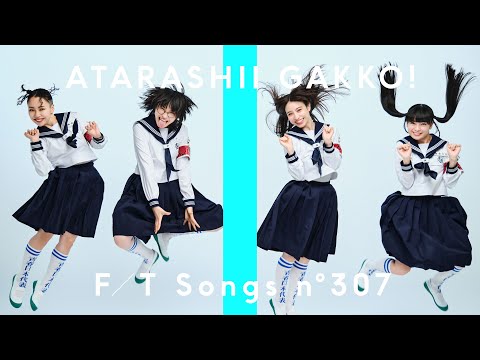
Piece and context
Otona Blue is especially useful for learners because the title itself carries a pun. オトナブルー sounds like “adult blue,” but it also echoes 大人ぶる, “to act like an adult.” That title pun helps organize the whole song.
The Japanese itself is quite accessible. What makes the song interesting is the contrast between bold performative lines and repeated reminders that the speaker is still not fully mature.
Learner notes
Style and register
Otona Blue uses highly performative pop language. The grammar is mostly straightforward, but the tone keeps shifting between seduction, self-display, impatience, and lingering innocence.
- theatrical pop-persona language
- repeated hook phrasing
- body and gaze vocabulary
- adulthood versus immaturity contrast
- title pun carried through the lyric
Important grammar patterns
- 〜んでしょ (-n desho): explanatory “you want it, right?”, as in ほしいんでしょ?
- 〜ば (-ba): if / when…, as in 歩けば
- 〜じゃなくて (janakute): not…, but…, as in そのうちじゃなくて
- 〜のまま (-no mama): remaining as…, as in 青い蕾のまま
Vocabulary and reference notes
- 艶やか (tsuyayaka): glossy, lustrous, sensuous
- ヤワな (yawa na): soft, weak; old-fashioned/slangy in tone
- 焦がれる (kogareru): to yearn intensely for
- あどけない (adokenai): innocent, childlike, not yet mature
- 大人ぶる (otona buru): to act like an adult
- useful for showing how a title pun can shape repeated lyric wording
Text
Verse 1
1
わかってる ほしいんでしょ?
Wakatteru hoshiin desho?
understand-PROG want EXPL.PROB
I know. You want it, right?
んでしょ gives the line an explanatory "..., right?" tone. It sounds confident and provocative.
2
艶やかな この唇
Tsuya yaka na kono kuchibiru
glossy ATTR this lips
These glossy lips.
艶やか means glossy, lustrous, or sensuous. It is more charged than a plain word for shiny.
3
ヤワな男たち 惹き寄せる
Yawana otokotachi hikiyoseru
soft ATTR men attract-NPST
They draw in soft men.
ヤワな means weak, soft, or not tough enough. It has a slightly slangy retro flavor.
4
息を呑むほどに甘い蜜
Iki o nomu hodo ni amai mitsu
breath ACC swallow extent ADV sweet honey
Honey so sweet it takes your breath away.
息を呑む is a set phrase for being struck speechless or breathless.
Verse 2
5
わかってる ほしいんでしょ?
Wakatteru hoshiin desho?
understand-PROG want EXPL.PROB
I know. You want it, right?
The quick return of the same hook makes the song feel performative rather than story-driven.
6
二度見する この躰
Nidomi suru kono karada
double.take do-NPST this body
This body that makes you look twice.
二度見する is an everyday expression for doing a double take.
7
汗ばむ街 一人歩けば
Asebamu machi hitori arukeba
humid.with.sweat city alone walk-if
If I walk alone in the sweaty city...
汗ばむ means to become slightly sweaty. It gives the city a humid bodily feel.
8
淫らな視線が絡みつく
Midara na shisen ga karamitsuku
lewd ATTR gaze NOM coil.attach-NPST
Lewd gazes coil around me.
絡みつく means winding around or clinging to. It makes the gaze sound sticky and invasive.
9
ねえ 何を期待してるの?
Nee nani o kitai shiteru no?
hey what ACC expect do-PROG Q
Hey, what are you expecting?
何を期待してるの is a very direct challenge: "what are you expecting?"
Chorus 1
10
そのうちじゃなくて 今すぐがいいの
Sonouchi janakute ima sugu ga ii no
eventually NEG.CVB right.now NOM good EXPL
Not eventually, right now is what I want.
じゃなくて sets up a clear contrast: not "later," but "right now."
11
大人の恋に焦がれて
Otona no koi ni kogarete
adult GEN love DAT yearn-CVB
Yearning for adult love.
焦がれる is stronger than ordinary wanting. It suggests intense yearning.
12
見た目よりも 残るあどけない
Mitame yori mo nokoru adokenai
appearance than even remain-NPST innocent
Still more innocent than the appearance suggests.
あどけない means innocent, childlike, not yet fully mature.
13
Ah 心だけが Ah 先走る
Ah kokoro dake ga ah sakibashiru
heart only NOM run.ahead-NPST
Ah, only my heart runs ahead.
先走る means running ahead too early. It works well for feelings moving faster than the self can handle.
14
青い蕾のまま 大人振る
Aoi tsubomi no mama otonaburu
blue bud GEN state act.like.adult-NPST
Still a blue bud, yet acting like an adult.
蕾 means flower bud. 大人ぶる means acting like an adult, which is one half of the title pun.
Verse 3
15
わかってる ほしいんでしょ? 刺激する 私の全て
Wakatteru hoshiin desho shigeki suru watashi no subete
understand-PROG want EXPL.PROB stimulate-NPST I GEN all
I know. You want it, right? All of me is stimulating.
刺激する means stimulating or provoking. The line exaggerates the speaker's whole persona.
16
冷めた瞳まで魅了する
Sameta hitomi made miryou suru
cold eyes even captivate-NPST
It captivates even cold eyes.
まで means even: even cold eyes are captivated.
17
いつかは花になるアマリリス
Itsuka wa hana ni naru amaririsu
someday TOP flower DAT become-NPST amaryllis
An amaryllis that will someday bloom into a flower.
The flower image continues the earlier 蕾 image. いつかは adds a someday-not-yet feeling.
Chorus 2
18
優しいだけの 言葉じゃなくて 心で繋がりたくて
Yasashii dake no kotoba janakute kokoro de tsunagaritakute
gentle only GEN words NEG.CVB heart with connect.want-CVB
Not just gentle words, I want us to connect with our hearts.
〜だけの means merely or only. The line contrasts surface-level kind words with deeper connection.
19
ありきたりな メイクじゃ隠せない
Arikitari na meiku ja kakusenai
ordinary ATTR makeup with hide-POT-NEG
Ordinary makeup cannot hide it.
ありきたり means ordinary, generic, or formulaic.
20
Ah 憧れだけ Ah 夢を見る
Ah akogare dake ah yume o miru
longing only dreams ACC see-NPST
Ah, only longing keeps dreaming.
憧れ means admiration mixed with longing, often toward something still out of reach.
21
あなたの前で また 大人振る
Anata no mae de mata otonaburu
you GEN front at again act.like.adult-NPST
In front of you, I act like an adult again.
また means again. Repeating 大人ぶる makes it sound like a recurring performance, not a completed state.
22
また オトナブルー
Mata otona buruu
again adult.blue
Again, Otona Blue.
The title phrase itself is left unresolved on purpose. It keeps both sides of the pun active.
Final refrain
23
その内じゃなくて 今すぐがいいの
Sonouchi janakute ima sugu ga ii no
eventually NEG.CVB right.now NOM good EXPL
Not eventually, right now is what I want.
Repeating the refrain strengthens the impatience without changing the wording much.
24
大人の恋に 焦がれて
Otona no koi ni kogarete
adult GEN love DAT yearn-CVB
Yearning for adult love.
The same key longing phrase returns again unchanged.
25
見た目よりも 残るあどけない
Mitame yori mo nokoru adokenai
appearance than even remain-NPST innocent
Still more innocent than the appearance suggests.
Again the line contrasts outward appearance with lingering innocence.
26
気持ちだけが 空回る
Kimochi dake ga karamawaru
feelings only NOM spin.in.vain-NPST
Only my feelings keep spinning uselessly ahead.
空回る means spinning uselessly or turning without results. It is more frustrated than 先走る.
27
わたしを見つけて
Watashi o mitsukete
I ACC find-CVB
Find me.
A very short and direct imperative-like plea in the middle of more stylized lines.
28
優しいだけの 言葉じゃなくて
Yasashii dake no kotoba janakute
gentle only GEN words NEG.CVB
Not just gentle words.
This repeats the earlier contrast between gentle words and something deeper.
29
心で繋がりたくて
Kokoro de tsunagaritakute
heart with connect.want-CVB
I want us to connect through our hearts.
心で繋がる means connecting at the level of the heart, not just by outward words or pose.
30
ありきたりな メイクじゃ隠せない
Arikitari na meiku ja kakusenai
ordinary ATTR makeup with hide-POT-NEG
Ordinary makeup cannot hide it.
Again メイク is appearance work, but 隠せない says it cannot conceal the feeling.
31
憧れだけ 夢を見る
Akogare dake yume o miru
longing only dreams ACC see-NPST
Only longing keeps dreaming.
The line stays in longing and dreaming, not in achieved adulthood.
Outro
32
まだ見ぬ 恋路を
Mada minu koiji o
still unseen love.road ACC
The love path I still have not seen.
恋路 is a slightly literary word for path of love or love affair.
33
追いかけて 追いかけて
Oikakete oikakete
chase-CVB chase-CVB
Chasing it, chasing it.
The repeated verb keeps the ending in motion rather than closure.
34
またオトナブルー
Mata otona buruu
again adult.blue
Again, Otona Blue.
The title comes back once more as a recurring state rather than a solved problem.
About the glosses
The glosses are compact and learner-oriented rather than fully technical. The romaji line is segmented for readability and the glosses focus on making structure easy to scan.
Abbreviations:
ACCobjectATTRattributiveCVBconverbDATdativeEXPL.PROBexplanatory probable / “…, right?”GENgenitiveNEGnegationNOMsubjectPOTpotentialPROGprogressive