Learner edition
となりのトトロ Tonari no Totoro
A complete learner edition with context, grammar notes, and full line-by-line analysis.
- Artist
- The Breeze Adventures
- Level
- JLPT N5-N3
- Source
- Quarto draft
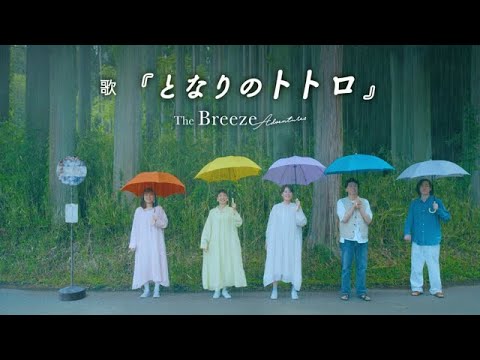
Piece and context
Tonari no Totoro is one of the best-known Japanese children’s film songs. That makes it useful far beyond its apparent simplicity, because many learners already know the melody but have never looked closely at the Japanese.
For this project, it is useful as a cultural-reference song with approachable language, repeated invitation phrases, and simple fantasy-world imagery.
Learner notes
Style and register
- child-facing memorable phrasing
- repetition used for recognition and invitation
- fantasy-world vocabulary in accessible Japanese
- strong value as a cultural reference point
Important grammar patterns
- 〜たら (-tara): if / when…, as in 芽生えたら
- 〜への (-e no): to / toward…, as in 森へのパスポート
- 〜ている (-te iru): ongoing state, as in 住んでる and 吹いてる
- 〜ときにだけ (-toki ni dake): only at the time when…, as in 子供のときにだけ
- 〜てあげましょ (-te agemasho): let’s do … for someone, as in さしてあげましょ
- もしも (moshimo): if by chance / if ever
Vocabulary and reference notes
- となり (tonari): next to / neighboring; central to the title’s closeness and familiarity
- 木の実 (kinomi): nuts / seeds from trees
- 芽生える (mebaeru): to sprout; to begin to grow
- 小路 (kouji): small road / lane / alley
- オカリナ (okarina): ocarina
- 不思議な出会い (fushigi na deai): a mysterious encounter
Text
Opening invitation
1
トトロ トトロ / トトロ トトロ
Totoro totoro / Totoro totoro
Totoro Totoro / Totoro Totoro
Totoro, Totoro / Totoro, Totoro
Pure chant-like repetition. The line is about recognition and rhythm, not grammar.
2
誰かがこっそり
Dareka ga kossori
someone NOM secretly
Someone secretly...
こっそり means secretly or quietly, often in a playful way.
3
小路に木の実うずめて
Kouji ni kinomi uzumete
lane LOC tree.nuts bury-CVB
Burying nuts in a little lane...
小路 means small lane or alley. 木の実 means tree nuts or seeds.
4
ちっさな芽生えたら
Chissana mebaetara
tiny sprout-if
If a tiny sprout appears...
ちっさな is a cute casual form of 小さな. 芽生えたら means if/when it sprouts.
5
秘密の暗号 / 森へのパスポート
Himitsu no angou / Mori e no pasupooto
secret GEN code / forest toward GEN passport
A secret code, a passport to the forest.
〜への means to or toward. パスポート turns that direction into a fantasy-story image.
6
素敵な冒険はじまる
Suteki na bouken hajimaru
wonderful ATTR adventure begin
A wonderful adventure begins.
素敵 is a common positive word meaning lovely or wonderful.
Main chorus
7
となりのトトロ トトロ / トトロ トトロ
Tonari no Totoro Totoro / Totoro Totoro
neighbor GEN Totoro Totoro / Totoro Totoro
My Neighbor Totoro, Totoro / Totoro, Totoro
となりの means neighboring or next-door. It gives the title familiarity rather than distance.
8
森の中に昔から住んでる
Mori no naka ni mukashi kara sunderu
forest GEN inside LOC long.ago from live-PROG
Living in the forest since long ago.
住んでる is the casual spoken form of 住んでいる. 昔から means since long ago.
9
子供のときにだけ
Kodomo no toki ni dake
child GEN time LOC only
Only when you are a child...
だけ is the key limiter: only.
10
あなたに訪れる / 不思議な出会い
Anata ni otozureru / Fushigi na deai
you DAT visit / mysterious ATTR encounter
A mysterious encounter that comes to you.
訪れる is a little more literary than plain 来る.
Rainy bus stop verse
11
雨降りバス停
Amefuri basutei
rainy bus.stop
A rainy bus stop.
Another compact image phrase. 雨降り is simple child-friendly wording for rain or rainy weather.
12
ずぶ濡れオバケがいたら
Zubunure obake ga itara
soaking.wet ghost NOM if.exists
If there were a soaking-wet ghost...
ずぶ濡れ means soaking wet or drenched.
13
あなたの雨傘さしてあげましょ
Anata no amagasa sashite agemasho
your rain.umbrella hold-CVB give-LET'S
Let me hold your umbrella up for you.
〜てあげる means doing something for someone. あげましょ is a softened songlike form of あげましょう.
14
森へのパスポート / 魔法の扉あきます
Mori e no pasupooto / Mahou no tobira akimasu
forest toward GEN passport / magic GEN door open-POL
A passport to the forest; the magic door opens.
あきます is polite present. Even a child-facing song can mix plain and polite forms.
Moonlit closing chorus
15
月夜の晩にオカリナ吹いてる
Tsukiyo no ban ni okarina fuiteru
moonlit.night GEN evening LOC ocarina play-PROG
Playing an ocarina on a moonlit night.
月夜 means moonlit night. 吹いてる is the casual spoken form of 吹いている.
16
もしも会えたなら
Moshimo aeta nara
if meet-POT if
If you could meet [him]...
もしも means if by chance / if ever. 会えたなら is a conditional built from the potential past.
17
素敵な幸せがあなたに来るわ
Suteki na shiawase ga anata ni kuru wa
wonderful ATTR happiness NOM you DAT come FP
Wonderful happiness will come to you.
来るわ adds a soft sentence-final emphasis. It sounds gentle rather than forceful.
18
となりのトトロ トトロ / トトロ トトロ
Tonari no Totoro Totoro / Totoro Totoro
neighbor GEN Totoro Totoro / Totoro Totoro
My Neighbor Totoro, Totoro / Totoro, Totoro
The repeated chorus is part of the song's child-song structure and memorability.
19
トトロ トトロ
Totoro totoro
Totoro Totoro
Totoro, Totoro.
A final pure refrain: recognition and rhythm rather than propositional meaning.