Learner edition
ツバメ Tsubame
A learner edition with context, grammar notes, glosses, and complete line-by-line commentary.
- Artist
- YOASOBI
- Level
- JLPT N3-N2
- Source
- Quarto draft
Piece and context
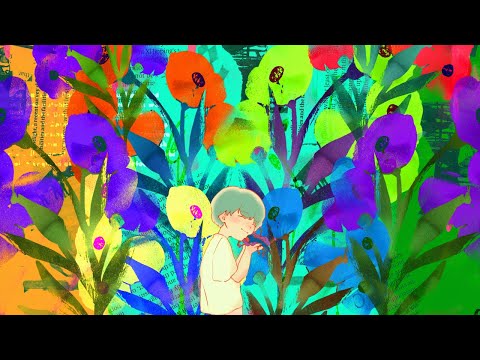
Tsubame leans more openly communal and uplifting than the darker or more inward YOASOBI songs. The swallow imagery brings in movement, migration, direction, and connection across distance.
For learners, it looks promising as a page that can balance accessibility with poetic imagery, especially in lines about sky, direction, companionship, and hope.
Learner notes
Style and register
Tsubame is more openly communal than the darker YOASOBI songs. It uses clear modern Japanese, but the lyric still compresses perspective and leans on image-rich wording:
- movement and sky imagery
- gentle but purposeful encouragement
- plain-style phrasing with clear collective address
- a first-person voice that widens into a collective 僕ら (bokura)
Important grammar patterns
- 〜てしまう (-te shimau): end up doing; do regrettably
- 〜合う (-au): do together / mutually
- 〜たなら (-ta nara): if it were the case that…
- 〜かな (-ka na): soft self-questioning
- 〜かけても (-kakete mo): even when beginning to…
- 〜はずさ (-hazu sa): surely should; confident expectation
Vocabulary and literary notes
- ツバメ (tsubame): swallow; the bird image drives the whole song
- 風切り翔る (kazekiri kakeru): to cut through the wind and soar
- 暮らしの形 (kurashi no katachi): forms or shapes of life
- 肩寄せ合う (katayoseau): lean close together; support one another
- 彩り (irodori): color, coloring, bright touch of life
Text
Opening
1
煌く水面の上を
Kirameku minamo no ue o
glitter-NPST water.surface GEN above ACC
Over the glittering surface of the water...
水面 (*minamo*) is a poetic word for the water’s surface.
2
夢中で風切り翔る
Muchuu de kazekiri kakeru
absorbed ADV wind-cutting soar-NPST
...I soar, absorbed, cutting through the wind.
夢中で means being wholly absorbed. 風切り makes the movement feel vivid and aerodynamic.
3
翼をはためかせて
Tsubasa o hatamekasete
wings ACC flutter-CAUS-CVB
Letting my wings beat and flutter...
はためかせる is causative: to make something flutter.
4
あの街へ行こう
Ano machi e yukou
that town toward go-VOL
Let’s go to that town.
The volitional 行こう is inviting and inclusive rather than commanding.
5
海を越えて
Umi o koete
sea ACC cross-CVB
Crossing over the sea.
A simple travel image that opens the wording outward toward connection across distance.
6
Verse 1
僕はそう小さなツバメ
Boku wa sou chiisana tsubame
I TOP indeed small swallow
Yes, I am a small swallow.
The first-person bird voice gives the page a fable-like simplicity.
7
辿り着いた街で触れた
Tadoritsuita machi de fureta
arrive-PST town LOC touch-PST
In the town I reached, I came into contact with...
触れた here is broader than physical touch; it means to encounter or be exposed to.
8
楽しそうな人の声
Tanoshisou na hito no koe
enjoyable-SEEM ATTR people GEN voices
...the voices of people who seemed happy.
〜そう marks appearance: they seem happy from the outside.
9
悲しみに暮れる仲間の声
Kanashimi ni kureru nakama no koe
sadness DAT sink-NPST companions GEN voices
...and the voices of companions sunk in sorrow.
暮れる here means being sunk in or overwhelmed by a state, not simply “to grow dark.”
10
みんなそれぞれ違う暮らしの形
Minna sorezore chigau kurashi no katachi
everyone each.differently different life GEN shape
Everyone has a different shape of life.
暮らしの形 is a gentle, expansive phrase for the form one’s life takes.
11
守りたくて気付かないうちに
Mamoritakute kizukanai uchi ni
protect-DES-CVB notice-NEG within DAT
Wanting to protect, before we even realize it...
〜うちに here means “before one notices / in the course of”.
12
傷付け合ってしまうのはなぜ
Kizutsukeatte shimau no wa naze
hurt-each.other-CVB end.up NMLZ TOP why
...why is it that we end up hurting one another?
〜合う makes the harm mutual, and 〜てしまう adds regret or unwanted result.
13
同じ空の下で
Onaji sora no shita de
same sky GEN under LOC
Under the same sky.
A broad unifying image that carries a lot of the page’s social and ethical wording.
14
Chorus 1
僕らは色とりどりの命と
Bokura wa irotoridori no inochi to
we TOP colorful GEN lives with
We, alongside lives of every color...
色とりどり means varied or colorful. It often signals diversity more than literal paint-like color.
15
この場所で共に生きている
Kono basho de tomo ni ikiteiru
this place LOC together ADV live-PROG
...are living together here in this place.
共に adds a slightly elevated sense of togetherness.
16
それぞれ人も草木も花も鳥も
Sorezore hito mo kusaki mo hana mo tori mo
each people even grasses.trees even flowers even birds even
Each of us: people, plants, flowers, birds as well...
The list deliberately widens the community beyond human beings.
17
肩寄せ合いながら
Katayoseai nagara
shoulders-lean-together while
...while leaning close together.
肩寄せ合う literally suggests leaning shoulders together, so the phrase naturally carries closeness and mutual support.
18
僕らは求めるものも
Bokura wa motomeru mono mo
we TOP seek-NPST thing even
We differ even in what we seek...
This line begins a contrast between togetherness and difference rather than treating them as opposites.
19
描いてる未来も違うけれど
Egaiteru mirai mo chigau keredo
draw-PROG future even different but
...and the futures we imagine are different too, but...
描いてる未来 is literally the future one is “drawing” or imagining.
20
手と手を取り合えたなら
Te to te o toriaeta nara
hand and hand ACC take-each.other-POT if
If we could take one another’s hands...
取り合う here is mutual, not competitive: joining hands together.
21
きっと笑い合える日が来るから
Kitto waraiaeru hi ga kuru kara
surely laugh-together-POT day NOM come-NPST because
...then surely the day will come when we can laugh together.
きっと adds hopeful certainty rather than mere wishfulness.
22
僕にはいま何ができるかな
Boku ni wa ima nani ga dekiru ka na
I DAT TOP now what NOM can.do Q EXCL
I wonder what I can do now.
かな softens the question into inward reflection.
23
誰かが手に入れた豊かさの裏で
Dareka ga te ni ireta yutakasa no ura de
someone NOM hand DAT obtain-PST prosperity GEN reverse LOC
In the shadow of the prosperity someone else has gained...
裏で suggests “behind” or “on the other side of.” It points to what exists behind the visible surface.
24
Verse 2
帰る場所を奪われた仲間
Kaeru basho o ubawareta nakama
return place ACC rob-PASS-PST companions
...are companions whose place to return to has been taken away.
The passive makes the loss feel structural and imposed.
25
本当は彼も寄り添い合って
Hontou wa kare mo yorisoiatte
truth TOP he also draw.close-together-CVB
In truth, he too only wants to draw close to others...
寄り添う often implies emotional as well as physical closeness, stronger than simply being nearby.
26
生きていたいだけなのに
Ikite itai dake na noni
live-CVB be-DES only COP although
...and simply go on living together, and yet...
だけなのに conveys sorrowful contrast: “even though that is all”.
27
悲しい気持ちに飲み込まれて
Kanashii kimochi ni nomikomarete
sad feeling DAT swallow-PASS-CVB
Swallowed up by sad feelings...
飲み込まれる is vivid: to be engulfed or swallowed by emotion.
28
心が黒く染まりかけても
Kokoro ga kuroku somarikakete mo
heart NOM black ADV stain-begin-CVB even.if
Even if the heart begins to darken and stain black...
〜かける marks something beginning or on the verge of happening.
29
許すことで認めることで
Yurusu koto de mitomeru koto de
forgive NMLZ by acknowledge NMLZ by
By forgiving, by recognizing one another...
認める can mean acknowledge, accept, or grant legitimacy.
30
僕らは繋がり合える
Bokura wa tsunagariaeru
we TOP connect-each.other-POT
...we can truly connect with one another.
繋がり合える stacks mutuality and possibility: be able to connect reciprocally.
31
Final Chorus / Outro
僕らにいまできること
Bokura ni ima dekiru koto
we DAT now can.do thing
What we can do right now.
The perspective has fully widened from the single swallow to a collective “we.”
32
それだけで全てが変わらなくたって
Sore dake de subete ga kawaranakutatte
that only by everything NOM change-NEG-even.if
Even if that alone does not change everything...
〜たって again gives a conversational concessive “even if”.
33
誰かの一日にほら
Dareka no ichinichi ni hora
someone GEN one.day DAT look
Look, into someone’s day...
一日 keeps the ambition modest and concrete: changing a day, not the whole world at once.
34
少しだけ鮮やかな彩りを
Sukoshi dake azayaka na irodori o
little only vivid ATTR color ACC
...add just a small touch of vivid color.
少しだけ keeps the hope intentionally small-scale and humane.
35
輝く宝石だとか
Kagayaku houseki da toka
shine-NPST jewel COP such.as
Not some shining jewel...
〜だとか loosely lists examples, here with a slightly dismissive “something like...”.
36
金箔ではないけれど
Kinpaku de wa nai keredo
gold.leaf COP TOP NEG but
...nor gold leaf, but...
The wording rejects flashy value markers and uses smaller, more everyday terms instead.
37
こんな風に世界中が
Konna fuu ni sekaijuu ga
this.kind way DAT world-all NOM
If, in this way, the whole world...
世界中 means the whole world, but the tone remains gentle rather than grandiose.
38
ささやかな愛で溢れたなら
Sasayaka na ai de afureta nara
modest ATTR love with overflow-PST if
...were filled with modest, everyday love...
ささやかな means small, modest, or unshowy. That modesty matters throughout the page.
39
何かがほら変わるはずさ
Nanika ga hora kawaru hazu sa
something NOM look change-NPST should EXCL
...then surely, look, something should begin to change.
はず gives a confident expectation, not absolute certainty.
40
同じ空の下何時かきっと
Onaji sora no shita itsuka kitto
same sky GEN under someday surely
Under the same sky, someday, surely...
Returning to this image helps tie the ending back to the page’s main bird-and-flight vocabulary.
41
それが小さな僕の大きな夢
Sore ga chiisana boku no ookina yume
that NOM small I GEN big dream
That is the great dream of this small self of mine.
The final contrast between 小さな僕 and 大きな夢 captures the page’s scale: small being, large hope.
About the glosses
The glosses are learner-oriented and compact rather than fully technical. The romaji line is segmented to help both pronunciation and reading of the grammar.
Abbreviations:
TOPtopicNOMsubjectACCobjectDATdativeGENgenitiveLOClocationNPSTnon-pastPSTpastNEGnegationATTRattributiveCVBconverbPROGprogressiveDESdesiderativePOTpotential