Learner edition
泡沫サタデーナイト! Utakata Saturday Night!
A complete learner edition with context, grammar notes, and line-by-line analysis.
- Artist
- Morning Musume
- Level
- JLPT N3-N1
- Source
- Quarto draft
Piece and context
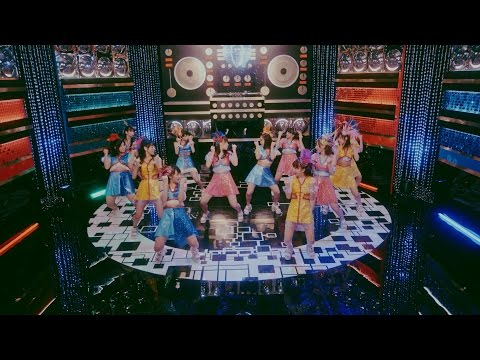
Utakata Saturday Night! looks like a strong learner song because it appears to combine very catchy dance-pop energy with a more literary word right in the title. 泡沫 (utakata) means foam, bubble, or something fleeting and insubstantial, which gives the song a built-in tension between party brightness and impermanence.
For learners, that is a promising mix. The hook language is likely direct and chantable, but the title already suggests a slightly more stylized emotional frame than a simple “Saturday night” party song. That kind of contrast is often where J-pop becomes especially rewarding to study.
Inside the Morning Musume branch, this page should help show another side of the group: not reflective ballad language or cool mood language, but nightlife performance language built on speed, glamour, and a sense that the whole thing may vanish by morning. This should become one of the branch’s clearest examples of title diction doing interpretive work before the lyrics even start.
Learner notes
Style and register
Utakata Saturday Night! is likely a hook-heavy performance song with nightlife vocabulary, crowd energy, and a sharper sense of theatrical impermanence than the title first suggests. The likely learner challenge is not grammar difficulty but noticing how the literary title word quietly colors everything that follows.
- dance-floor and weekend language
- chant-like hook structure
- nightlife glamour
- likely strong use of katakana and English
- tension between brightness and ephemerality
- useful for title-language that changes the emotional frame of the whole song
- useful for seeing how flashy performance can still be shaded by instability
Important grammar patterns
- 〜だけで (-dake de): just because…, as in 派手じゃないだけで
- 〜なりゃ (-narya): casual contracted conditional, as in 週末になりゃ
- 〜じゃないか (-janai ka): rhetorical “isn’t it / come on,” as in スルーでいいじゃないか
- 〜てつなぎ止めても (-te mo): even if…, as in つなぎ止めても
Vocabulary and literary notes
- 泡沫 (utakata): foam, bubbles, transience; often poetic or literary in tone
- サタデーナイト (Saturday Night): nightlife framing in borrowed English
- likely useful for studying how a literary Japanese word can reframe a highly pop, dance-oriented song
- likely good page for the contrast between flashy performance language and unstable duration
- likely useful for comparing Japanese title tone with the much brighter hook language underneath
Text
Verse 1
1
派手じゃないだけで地味な子とか
Hade janai dake de jimi na ko toka
flashy NEG just.because plain ATTR girl etc.
Just because she's not flashy, you call her some plain girl or whatever.
とか gives the line a dismissive “or whatever like that” tone, which suits the complaint about shallow labels.
2
大人しいとかわかってないね
Otonashii toka wakattenai ne
quiet etc. understand-PROG-NEG FP
Calling her quiet just shows you don't get it.
The line criticizes the way someone gets labeled 大人しい from surface cues.
3
そんなことじゃきっと週末になりゃ
Sonna koto ja kitto shuumatsu ni narya
such thing with surely weekend DAT become-if
At this rate, when the weekend comes...
なりゃ is a casual spoken contraction that keeps the line brisk and punchy.
4
びっくり腰抜かす うふふ
Bikkuri koshinukasu ufufu
surprised lose.one's.legs giggle
You'll be so shocked you fall over. Ohoho.
The laugh at the end keeps the threat playful and performative.
Verse 2
5
ああだこうだゴシップはびこる諸説
Aada kouda goshippu habikoru shosetsu
this.and.that gossip spread-NPST various.theories
All sorts of this-and-that gossip and theories spread around.
ああだこうだ is spoken shorthand for this-and-that chatter and nitpicking.
6
そんなもんはスルーでいいじゃないか
Sonna mon wa suruu de ii janai ka
such thing TOP through with good isn't.it Q
That kind of stuff is fine to just ignore, isn't it?
スルー is borrowed slangy everyday Japanese; it keeps the song socially current and casual.
7
私だけにしかきっと踊れない
Watashi dake ni shika kitto odorenai
I only DAT only surely dance-POT-NEG
There's surely a dance that only I can dance.
The stacked limitation language makes the claim feel exclusive and defiant.
8
そんなビートがある
Sonna biito ga aru
such beat NOM exist
There is a beat like that.
Selfhood gets grounded in rhythm rather than argument.
Pre-chorus
9
聞いて 私
Kiite watashi
listen-CVB I
Listen, me...
The self-address feels theatrical and intimate at once.
10
本当はもっと凄いのよ
Hontou wa motto sugoi no yo
truth TOP more amazing EXPL FP
The truth is, I'm even more amazing than this.
のよ adds a feminine, explanatory flourish that fits the stage persona.
11
ブルーライト消して
Buruu raito keshite
blue light turn.off-CVB
Turn off the blue light.
The line points at screen life and late-night digital exhaustion as something to break away from.
12
遊びに出かけましょう
Asobi ni dekakemashou
play DAT go.out-POL.VOL
Let's go out and have some fun.
The polite volitional makes the invitation feel stylish rather than stiff.
Chorus 1
13
サタデーナイト!
Satadee naito!
Saturday night
Saturday night!
The English hook is bright and obvious, which makes the literary **泡沫** later hit harder.
14
日々のあれこれ 思い切って後回して
Hibi no arekore omoikitte atomawashite
daily GEN this.and.that boldly put.off-CVB
Boldly put off all the day-to-day stuff.
あれこれ keeps the burdens generic and numerous, which suits a chorus about postponing them.
15
踊りたい!
Odoritai!
dance.want
I want to dance!
Extremely direct and chantable.
16
誰も彼もが日本の主役だ
Dare mo kare mo ga Nihon no shuyaku da
everyone NOM Japan GEN lead.role COP
Everyone, absolutely everyone, is a leading star in Japan.
誰も彼も expands the line into a populist, everybody-included chorus claim.
17
恋は泡沫 もうどうせなら振り回して
Koi wa utakata mou douse nara furimawashite
love TOP ephemeral already if.so swing.around-CVB
Love is ephemeral, so if that's how it is, then just whirl it around wildly.
This is the first place where 泡沫 enters the chorus directly, so the bright hook gets framed by instability.
18
止まらない!
Tomaranai!
stop-NEG
I won't stop!
The chorus answers fragility with motion.
19
本来の心がうずいてる
Honrai no kokoro ga uzuiteru
original GEN heart NOM throb-PROG
My true heart is throbbing.
本来の心 gives the dance impulse a deeper, more essential framing.
20
Do it dance!
Do it dance!
do it dance
Do it, dance!
Hook language more than syntax; the point is propulsion.
Verse 3
21
片手に持ったスマートな世界
Katate ni motta sumaato na sekai
one.hand DAT hold-PST smart ATTR world
The smart world held in one hand.
A smartphone-world image without saying smartphone directly.
22
読んだのにスルーは超ご法度
Yonda noni suruu wa chou gohatto
read-PST although through TOP super taboo
Even though you read it, leaving it on read is totally forbidden.
スルー keeps the line current and colloquial; this is digital-era social pressure in compact form.
23
血眼になってつなぎ止めても
Chimanako ni natte tsunagitometemo
bloodshot.eyes DAT become-CVB hold.together-even.if
Even if you go bloodshot-eyed trying to keep it all tied down...
血眼 is intense visual language: desperate, strained, obsessive.
24
やっぱ薄くて軽い
Yappa usukute karui
as.expected thin-CVB light
It still ends up thin and light.
A sharp summary of screen-world contact: present, but not substantial.
Pre-chorus 2
25
聞いて 私
Kiite watashi
listen-CVB I
Listen, me...
The self-address returns, but now it feels more vulnerable.
26
本当はもっと弱いのよ
Hontou wa motto yowai no yo
truth TOP more weak EXPL FP
The truth is, I'm much weaker than that.
This contrasts directly with the earlier もっと凄い, replacing strength-language with weakness-language.
27
ブルーライト溺れ
Buruu raito obore
blue light drown-CVB
Drowning in blue light.
The digital-world image becomes physically overwhelming.
28
ぬくもり忘れてた
Nukumori wasureteta
warmth forget-PROG.PST
I had forgotten warmth.
ぬくもり is plain vocabulary, which makes the line stand out after the louder hook sections.
Chorus 2
29
サタデーナイト! 日々はスレスレ 忘れ去って思い出して
Satadee naito! Hibi wa suresure wasuresatte omoidaste
Saturday night days TOP on.the.edge forget.away-CVB remember-CVB
Saturday night! Life has been running on the edge, so forget it and remember yourself again.
スレスレ suggests precarious closeness to the edge, which deepens the song beyond pure party brightness.
30
踊りたい! 誰も彼もが思いを抱えて
Odoritai! Dare mo kare mo ga omoi o kakaete
dance.want everyone NOM feelings ACC carry-CVB
I want to dance! Everyone is carrying their own feelings.
The chorus becomes more compassionate here: all the dancers are carrying something.
31
サタデーナイト! 夢も泡沫 そうやってまたはぐらかして
Satadee naito! Yume mo utakata sou yatte mata hagurakashite
Saturday night dreams also ephemeral thus do-CVB again evade-CVB
Saturday night! Dreams too are ephemeral, and that’s how we dodge and blur them again.
はぐらかす adds evasiveness: not just losing the dream, but slipping away from it.
32
止まらない! 本来の心が叫んでる Do it dance!
Tomaranai! Honrai no kokoro ga sakenderu do it dance!
stop-NEG original GEN heart NOM shout-PROG do it dance
I won't stop! My true heart is shouting: do it, dance!
The heart now moves from throbbing to shouting, so the internal pressure rises.
Spoken break
33
ハーイ!そこの兄ちゃん姉ちゃん! よってらっしゃいみてらっしゃい!
Haai! Soko no niichan neechan! Yotterasshai miterasshai!
hey there GEN guys gals come.over.IMPV look.IMPV
Hey! You guys over there! Step right up, come take a look!
This is classic show-barker language, turning the song briefly into street performance and festival call.
34
ねえ、知ってた?この曲、あと58秒で終わっちゃうんだって!「えーっ?」
Nee, shitteta? Kono kyoku, ato gojuu hachi byou de owacchaun datte! "Eeh?"
hey know-PST Q this song after 58 seconds in end-COMPL EXPL QUOT eh
Hey, did you know? This song is gonna end in just 58 seconds! “Ehh?”
The song jokes openly about its own ephemerality here. Very on-theme for 泡沫.
35
しけた顔しちゃもったいないもったいない! この際一緒に踊っちゃお!
Shiketa kao shicha mottainai mottainai! Kono sai issho ni odocchao!
gloomy face do-COND wasteful wasteful this occasion together dance-COMPL.VOL
Don't make such a gloomy face, what a waste, what a waste! At this point, let's just dance together!
踊っちゃお is compressed and lively, which fits the spoken invitation well.
Final refrain
36
踊りたい! サタデーナイト!
Odoritai! Satadee naito!
dance.want Saturday night
I want to dance! Saturday night!
A stripped-down restatement of the core urge.
37
日々のあれこれ 思い切って後回して 踊りたい!
Hibi no arekore omoikitte atomawashite odoritai!
daily GEN this.and.that boldly put.off-CVB dance.want
Boldly shove all the day-to-day stuff aside. I want to dance!
The closing refrain returns to release through postponement.
38
誰も彼もが日本の主役だ
Dare mo kare mo ga Nihon no shuyaku da
everyone NOM Japan GEN lead.role COP
Everyone is a leading star in Japan.
誰も彼も keeps the final refrain collective rather than individual.
39
恋は泡沫 もうどうせなら振り回して
Koi wa utakata mou douse nara furimawashite
love TOP ephemeral already if.so swing.around-CVB
Love is ephemeral, so if that's how it is, then whirl it around anyway.
The main paradox of the song comes back cleanly here.
40
止まらない! 本来の心がうずいてる Do it ......dance!
Tomaranai! Honrai no kokoro ga uzuiteru do it dance!
stop-NEG original GEN heart NOM throb-PROG do it dance
I won't stop! My true heart is throbbing. Do it... dance!
The stretched-out ending keeps the dance command alive while acknowledging the song's own vanishing finish.
About the glosses
The glosses are compact and learner-oriented rather than fully technical. The romaji line is segmented for readability and the glosses focus on making structure easy to scan.
Abbreviations:
CONDconditionalCVBconverbDATdativeEXPLexplanatoryGENgenitiveIMPVimperative invitation/callNEGnegationNOMsubjectPOL.VOLpolite volitionalPOTpotentialPROGprogressiveQquestionTOPtopic