Learner edition
夜に駆ける Yoru ni Kakeru
A full learner edition with context, grammar notes, and complete line-by-line analysis.
- Artist
- YOASOBI
- Level
- JLPT N2-N1
- Source
- Quarto draft
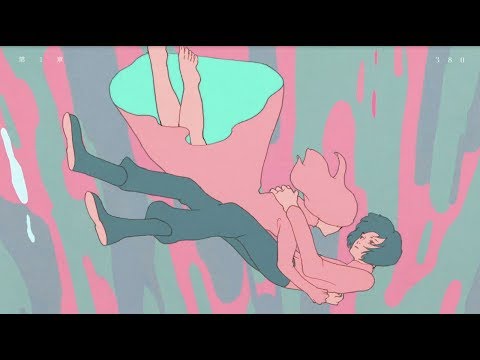
Piece and context
Yoru ni Kakeru is central to YOASOBI’s identity, and one reason it stays memorable is the contrast between its fast, bright sound and its darker wording. The song moves quickly, but much of its Japanese is plain and direct, which makes the tense lines land even harder.
For learners, it is especially useful because much of its force comes from ordinary grammar used under pressure: direct address, small turns of feeling, and short lines whose wording stays simple even when the situation becomes extreme.
Learner notes
Style and register
Yoru ni Kakeru uses accessible modern Japanese, but it compresses a great deal of emotional weight into those ordinary forms.
- night and motion imagery
- intimate second-person address
- emotional compression through plain grammar
- contrast between noise, pain, and fragile connection
Important grammar patterns
- 〜ように (-you ni): as if, like…, as in 沈むように / 溶けてゆくように
- 〜だけだった (-dake datta): it was only…, as in 「さよなら」だけだった
- 〜そうでも (-sou demo): even if it seems about to…, as in 零れそうでも
- 〜なら (-nara): if it is with…, as in 二人なら
- 〜てほしい (-te hoshii): want someone to…, as in 掴んでほら
Vocabulary and literary notes
- 儚い (hakanai): fleeting, fragile, ephemeral
- 纏う (matou): to wear, wrap oneself in, carry atmospherically
- 心無い (kokoronai): heartless, inconsiderate
- 零れる (koboreru): to spill, overflow
- 明けない夜 (akenai yoru): a night that does not dawn; metaphorically despair without end
Text
Opening
1
沈むように溶けてゆくように
Shizumu you ni tokete yuku you ni
sink like melt-CVB go like
As if sinking, as if melting away.
The opening is immediately fluid and unstable. Both halves use 〜ように to create a drifting, unreal feeling.
2
二人だけの空が広がる夜に
Futari dake no sora ga hirogaru yoru ni
two.people only GEN sky NOM spread night in
On a night when a sky for only the two of us spreads out.
二人だけ isolates the pair from the rest of the world. The intimacy is immediate.
3
「さよなら」だけだった
"Sayonara" dake datta
goodbye only COP-PST
It was only “goodbye.”
だけだった sounds minimal, but that minimalism is exactly what makes the line hit so hard.
4
その一言で全てが分かった
Sono hitokoto de subete ga wakatta
that one.word by everything NOM understand-PST
From that single word, I understood everything.
一言 means a single word or brief utterance. The line shows how little needs to be said when the situation is already emotionally loaded.
5
日が沈み出した空と君の姿
Hi ga shizumidashita sora to kimi no sugata
sun NOM sink-start-PST sky and you GEN figure
The sky where the sun had begun to sink, and your figure there...
〜出す marks the start of a process. Sunset and emotional descent begin together.
6
フェンス越しに重なっていた
Fensu goshi ni kasanatteita
fence beyond DAT overlap-PROG.PST
...overlapped beyond the fence.
フェンス越しに places the two figures with a barrier between them. The wording matters because it makes the overlap partial rather than direct.
7
初めて会った日から
Hajimete atta hi kara
first.time meet-PST day from
From the day we first met...
A simple retrospective pivot into personal history.
8
Verse 1
僕の心の全てを奪った
Boku no kokoro no subete o ubatta
my heart GEN everything ACC steal-PST
...you stole everything in my heart.
奪う is strong: to seize, take away, snatch. Love here is not mild or controlled.
9
どこか儚い空気を纏う君は
Dokoka hakanai kuuki o matou kimi wa
somehow fleeting atmosphere ACC wear you TOP
You, wrapped somehow in a fragile air...
纏う often means literally “to wear,” but here it describes atmosphere clinging to a person.
10
寂しい目をしてたんだ
Sabishii me o shiteta nda
lonely eyes ACC do-PROG.PST EXPL
...had lonely eyes.
目をする is a common Japanese way to describe the expression in someone’s eyes.
11
いつだってチックタックと
Itsu datte chikku takku to
always tick.tock ADV
Always, tick-tock, tick-tock...
The mimetic phrase makes the world feel mechanical and relentless.
12
鳴る世界で何度だってさ
Naru sekai de nando datte sa
ring world in how.many.times even FP
In this constantly ticking world, again and again...
鳴る世界 makes the whole world sound like something ticking or ringing around them, not just a single clock nearby.
13
触れる心無い言葉うるさい声に
Fureru kokoronai kotoba urusai koe ni
touch-PROG heartless words noisy voices DAT
By the touching heartless words and the noisy voices...
This is compressed wording. 触れる is not gentle here; it suggests words and voices coming into contact with the heart whether welcome or not.
14
涙が零れそうでも
Namida ga koboresou demo
tears NOM spill-SEEM even.if
Even if tears seem about to spill over...
零れそう captures the edge-state just before losing control.
15
ありきたりな喜びきっと二人なら見つけられる
Arikitari na yorokobi kitto futari nara mitsukerareru
ordinary ATTR joy surely two.people if find-POT
Surely, if it is the two of us, we can find even ordinary happiness.
ありきたり means commonplace or ordinary. The line uses deliberately modest wording instead of something grand or heroic.
16
騒がしい日々に笑えない君に
Sawagashii hibi ni waraenai kimi ni
noisy days in smile-POT-NEG you DAT
To you, unable to smile in these noisy days...
笑えない is potential negative, not just refusal: she cannot smile, rather than simply choosing not to.
17
Chorus 1
思い付く限り眩しい明日を
Omoitsuku kagiri mabushii asu o
think.up limit dazzling tomorrow ACC
...I want to offer the brightest tomorrow I can imagine.
思い付く限り means “as much as I can think of” or “to the limit of what I can imagine.”
18
明けない夜に落ちてゆく前に
Akenai yoru ni ochite yuku mae ni
not.dawn night DAT fall-CVB go before DAT
Before you fall into a night that never dawns...
明けない夜 is one of the page’s main images: despair figured as endless night.
19
僕の手を掴んでほら
Boku no te o tsukande hora
my hand ACC grasp-CVB look
Take my hand, look.
掴む is a firmer verb than just “hold”; it suggests urgency and rescue.
20
忘れてしまいたくて閉じ込めた日々も
Wasurete shimaitakute tojikometa hibi mo
forget-CVB finish-want-CVB shut.in-PST days even
Even the days you wanted to forget and locked away...
閉じ込めた makes the pain feel sealed off and imprisoned inside memory.
21
抱きしめた温もりで溶かすから
Dakishimeta nukumori de tokasu kara
embrace-PST warmth with melt-CAUS because
Because I’ll melt them away with the warmth of my embrace.
溶かす is transitive: to melt something. The warmth is treated as an active force against frozen pain.
22
怖くないよいつか日が昇るまで
Kowakunai yo itsuka hi ga noboru made
fear-NEG FP someday sun NOM rise until
It’s not scary; until the day the sun rises someday...
The reassurance is gentle, but it is also fragile because dawn is still deferred into the future.
23
二人でいよう
Futari de iyou
two.people with exist-VOL
Let’s stay together.
いよう is the volitional of いる, making togetherness a chosen act.
24
君にしか見えない
Kimi ni shika mienai
you DAT only see-POT-NEG
There are things only you can see.
しか〜ない means “nothing but / only.” It narrows the field of perception very sharply.
25
何かを見つめる君が嫌いだ
Nani ka o mitsumeru kimi ga kirai da
something ACC stare.at you NOM dislike COP
I hate the way you stare at something unseen.
見つめる is an intense, sustained gaze. The speaker resents the object of her attention, even if he cannot name it.
26
見惚れているかのような恋するような
Mihoreteiru ka no you na koi suru you na
be.captivated-PROG Q GEN like love do like
As if captivated, as if in love...
見惚れる is to be captivated by looking. The repeated 〜ような keeps the description approximate rather than fully stated as fact.
27
そんな顔が嫌いだ
Sonna kao ga kirai da
such face NOM dislike COP
I hate that expression on your face.
The repetition of 嫌いだ is blunt and childlike in shape. That simplicity is part of what makes the line sound unstable.
28
Development
信じていたいけど信じれないこと
Shinjiteitai kedo shinjirenai koto
believe-PROG.want but believe-POT-NEG thing
Things I want to believe, but cannot believe.
信じれない is a colloquial reduced form of 信じられない. The casual reduction fits how immediate and unprocessed the reaction sounds.
29
そんなのどうしたってきっと
Sonna no dou shitatte kitto
such thing how do.even surely
No matter what we do, surely things like that...
どうしたって means “however one tries” or “no matter what.” It signals inevitability.
30
これからだっていくつもあって
Kore kara datte ikutsu mo atte
from.now even many even exist-CVB
...will keep coming, many of them, from now on.
The wording points forward rather than describing a one-time event. It presents this as a continuing problem, not a single scene.
31
そのたんび怒って泣いていくの
Sono tanbi okotte naite iku no
that each.time get.angry-CVB cry-CVB go NMLZ
And each time, we’ll get angry and cry our way through it.
たんび is colloquial for “every time that happens.” The phrase feels raw and lived-in.
32
それでもきっといつかはきっと僕らはきっと
Soredemo kitto itsuka wa kitto bokura wa kitto
even.so surely someday TOP surely we TOP surely
Even so, surely, someday, surely, we, surely...
Repeated きっと sounds like insistence. The speaker keeps asserting certainty rather than calmly stating it once.
33
分かり合えるさ信じてるよ
Wakariaeru sa shinjiteru yo
understand.each.other-POT FP believe-PROG FP
We’ll come to understand each other, I believe it.
分かり合える means to understand one another mutually. It is one of the clearest statements of relational hope in the page.
34
Breakdown
もう嫌だって疲れたんだって
Mou iya datte tsukaretanda tte
already hate COP-QUOT tire-PST-EXPL QUOT
“I’m done, I hate this, I’m exhausted,” you say.
The repeated quoted phrasing makes the line sound breathless. It reads almost like reported fragments rather than a calm sentence.
35
がむしゃらに差し伸べた僕の手を振り払う君
Gamushara ni sashinobeta boku no te o furiharau kimi
desperately stretch.out-PST my hand ACC shake.off you
You shake off the hand I reached out desperately.
がむしゃらに suggests reckless desperation. 振り払う is not gentle refusal, but an active shaking-off.
36
もう嫌だって疲れたよなんて
Mou iya datte tsukareta yo nante
already hate COP-QUOT tire-PST FP such.as
“I’m done, I’m tired,” things like that...
なんて can soften or distance the quoted phrase, but here it also exposes how raw it feels.
37
本当は僕も言いたいんだ
Hontou wa boku mo iitain da
truth TOP I even say.want EXPL
Truthfully, I want to say that too.
An important admission: the rescuer is exhausted too.
38
ほらまたチックタックと
Hora mata chikku takku to
look again tick.tock ADV
Look, once again, tick-tock, tick-tock...
The return of the ticking world makes the conflict feel trapped inside a repeating system.
39
鳴る世界で何度だってさ
Naru sekai de nando datte sa
ring world in how.many.times even FP
In this ringing world, again and again...
The earlier phrase returns, but now with much more strain behind it.
40
君の為に用意した言葉どれも届かない
Kimi no tame ni youi shita kotoba dore mo todokanai
you GEN sake DAT prepare-PST words all NEG.reach
None of the words I prepared for your sake reach you.
どれも〜ない is total negation: not one of them gets through.
41
「終わりにしたい」だなんてさ
"Owari ni shitai" da nante sa
end DAT do.want COP such.as FP
“I want to end it,” words like that...
The plainness matters here. After so much reassurance language earlier, this line arrives without softening.
42
釣られて言葉にした時
Tsurarete kotoba ni shita toki
be.pulled.along-CVB words DAT do-PST time
When I was drawn into saying it aloud too...
釣られて means being drawn along or pulled into something by another person’s action.
43
君は初めて笑った
Kimi wa hajimete waratta
you TOP first.time laugh-PST
You smiled for the first time.
初めて笑った is simple wording, but its placement matters. The first smile appears very late, after long repeated distress language.
44
Final Chorus / Outro
騒がしい日々に笑えなくなっていた
Sawagashii hibi ni waraenakunatteita
noisy days in smile-POT-NEG-become-PROG.PST
In those noisy days, I had become unable to smile.
The subject quietly shifts back to the speaker. 〜なくなっていた marks a change of state already in effect: he had already lost the ability to smile.
45
僕の目に映る君は綺麗だ
Boku no me ni utsuru kimi wa kirei da
my eyes in reflect you TOP beautiful COP
You, reflected in my eyes, are beautiful.
目に映る is literally “to be reflected in the eyes.” It is a soft, visual expression that slows the pace after the more urgent earlier wording.
46
明けない夜に溢れた涙も
Akenai yoru ni afureta namida mo
not.dawn night in overflow-PST tears even
Even the tears that overflowed in that night with no dawn...
溢れる is stronger than simply “fall”: the tears spill over beyond containment.
47
君の笑顔に溶けていく
Kimi no egao ni tokete iku
your smile into melt-CVB go
...melt away into your smile.
This repeats the melting imagery from the opening. Reusing the same image ties the ending closely to the beginning.
48
変わらない日々に泣いていた僕を
Kawaranai hibi ni naiteita boku o
unchanging days in cry-PROG.PST me ACC
Me, who had been crying in those unchanging days...
The pronoun pattern changes the balance here. The wording no longer treats only one side as the one in need.
49
君は優しく終わりへと誘う
Kimi wa yasashiku owari e to sasou
you TOP gently end toward invite
...you gently invite toward the end.
誘う is “invite” or “lead into.” The gentleness of 優しく makes the line more disturbing, not less.
50
沈むように溶けてゆくように
Shizumu you ni tokete yuku you ni
sink like melt-CVB go like
As if sinking, as if melting away.
The opening line returns in the ending, so the song closes by repeating its first unstable motion image instead of replacing it with something clearer.
51
染み付いた霧が晴れる
Shimitsuita kiri ga hareru
cling-PST fog NOM clear
The clinging mist clears.
染み付いた suggests something soaked in or stubbornly stuck. The fog clearing may feel redemptive, but it also comes with finality.
52
忘れてしまいたくて閉じ込めた日々に
Wasurete shimaitakute tojikometa hibi ni
forget-CVB finish-want-CVB shut.in-PST days in
Into the days I wanted to forget and locked away...
This recalls the earlier line, but the grammar shifts from describing those days as an object to re-entering them as a place or state.
53
差し伸べてくれた君の手を取る
Sashinobete kureta kimi no te o toru
stretch.out-CVB give-PST you GEN hand ACC take
I take the hand you reached out to me.
〜てくれた frames the action as a benefit received by the speaker. The rescue is explicitly mutual now.
54
涼しい風が空を泳ぐように今吹き抜けていく
Suzushii kaze ga sora o oyogu you ni ima fukinukete iku
cool breeze NOM sky ACC swim like now blow.through-CVB go
Now a cool wind blows through, as if swimming across the sky.
吹き抜けていく adds motion through a space and beyond it. The compound verb is stronger than a plain 吹く.
55
繋いだ手を離さないでよ
Tsunaida te o hanasanaide yo
join-PST hands ACC release-NEG-CVB FP
Don’t let go of the hand joined with mine.
離さないで is a direct plea. Even at the close, the song does not settle into calm certainty.
56
二人今、夜に駆け出していく
Futari ima, yoru ni kakedashite iku
two.people now night into run.out-CVB go
The two of us now run out into the night.
駆け出す is to break into a run. The title movement finally arrives as an action the two take together, but the destination remains unresolved.
About the glosses
The glosses are learner-oriented and compact rather than fully technical. The romaji line is segmented to help both pronunciation and reading of the grammar.
Abbreviations:
TOPtopicNOMsubjectACCobjectDATdativeGENgenitiveNPSTnon-pastPSTpastNEGnegationATTRattributiveCVBconverbPROGprogressiveEXPLexplanatory